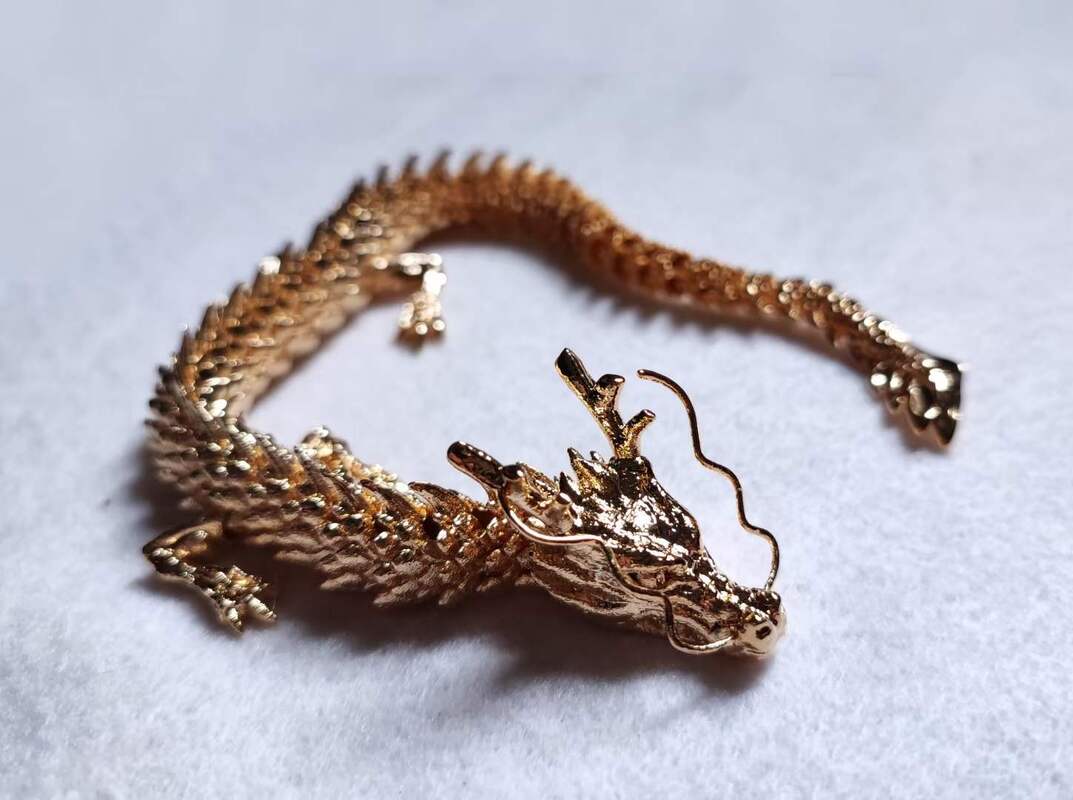
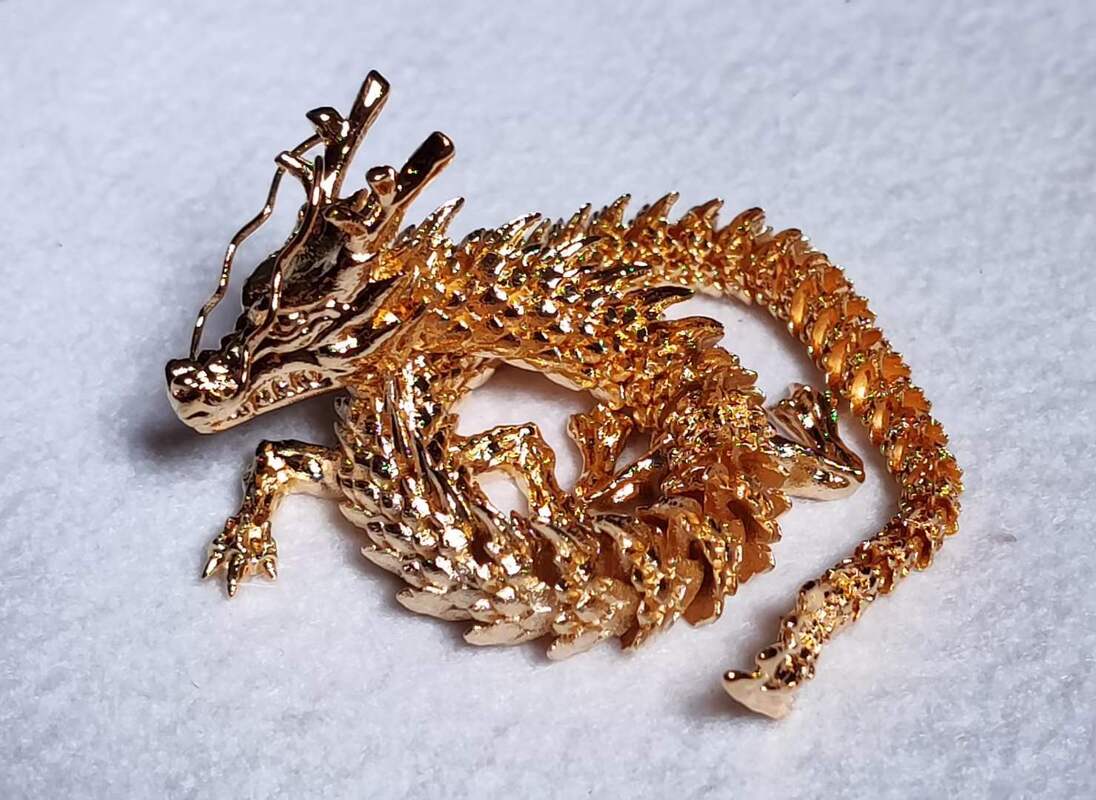
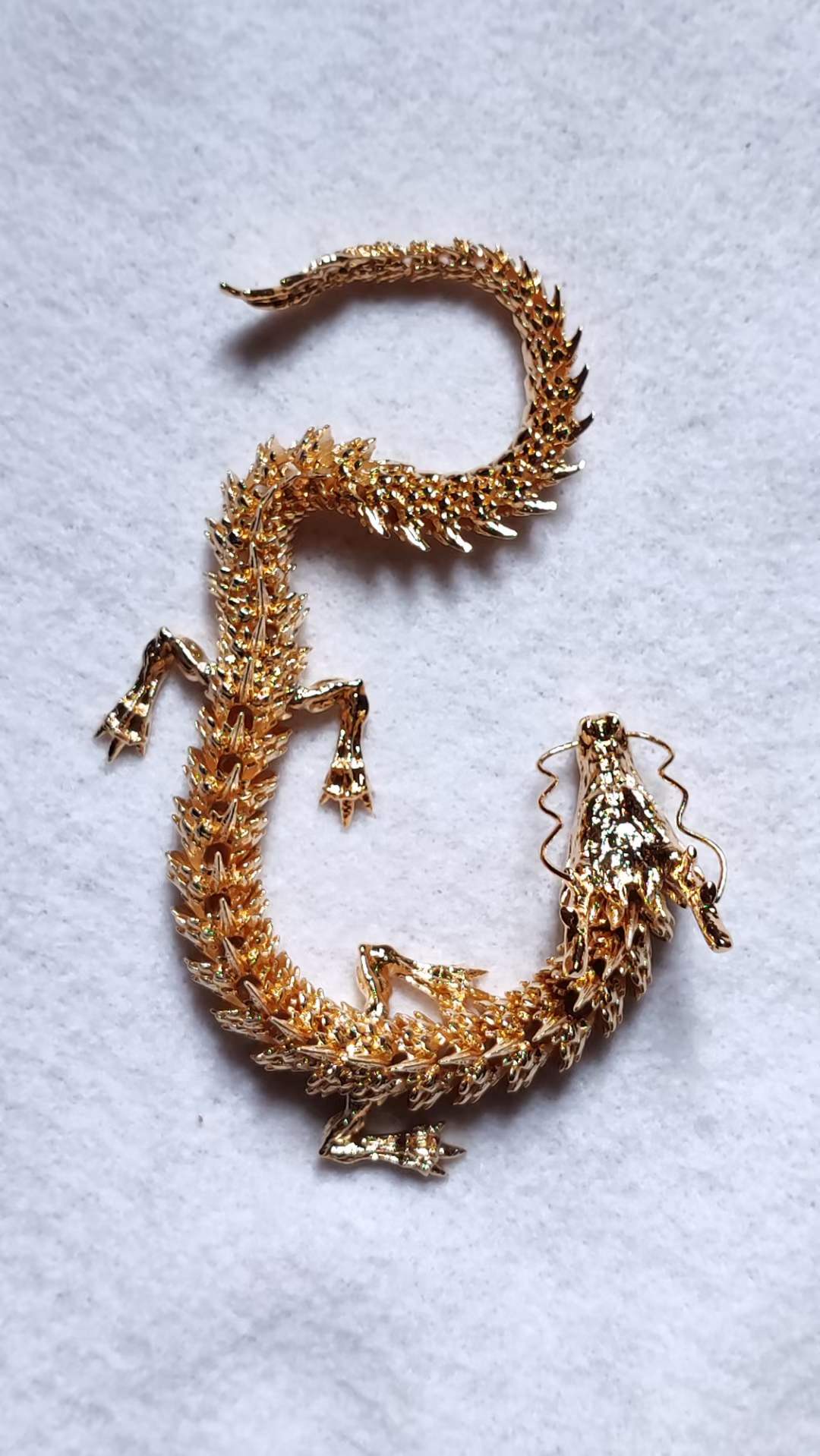
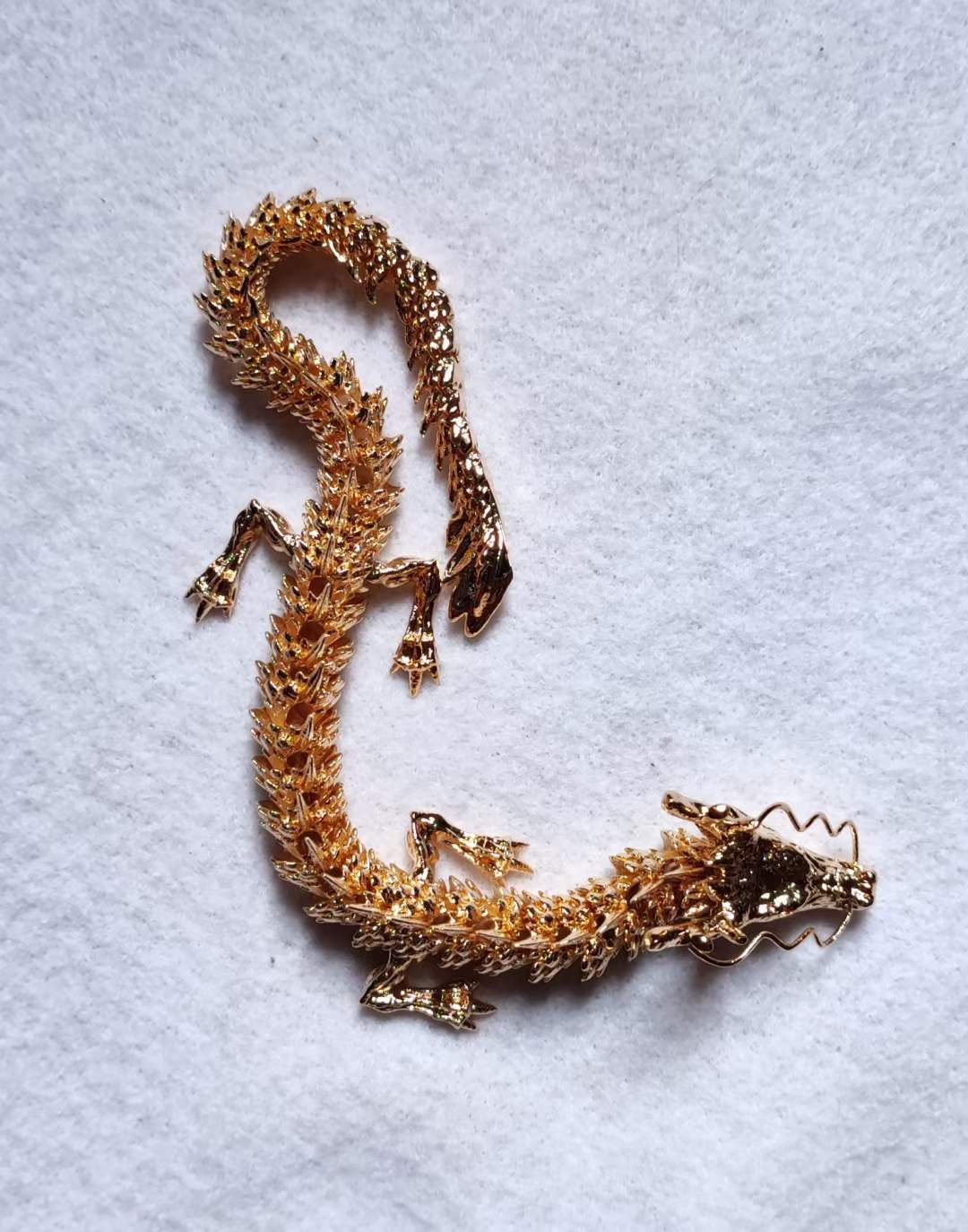
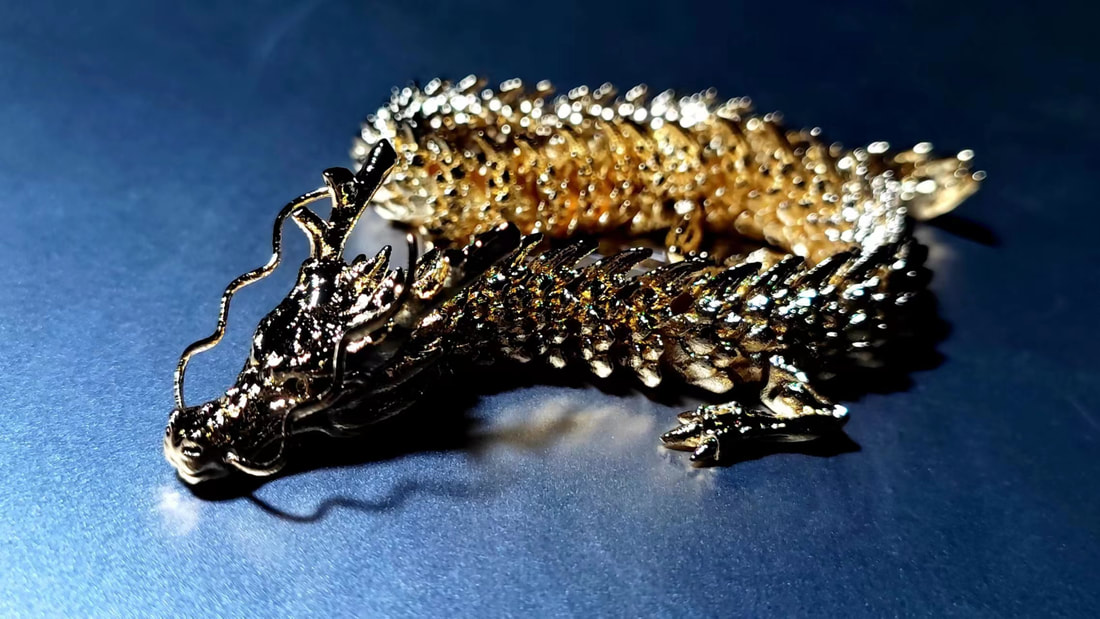
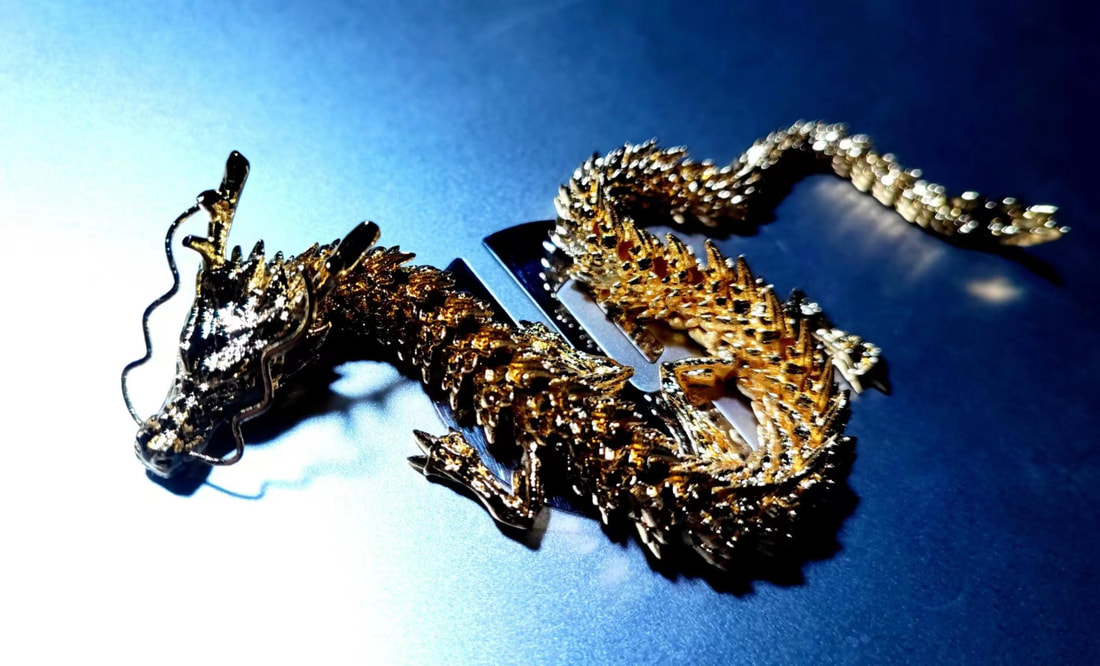
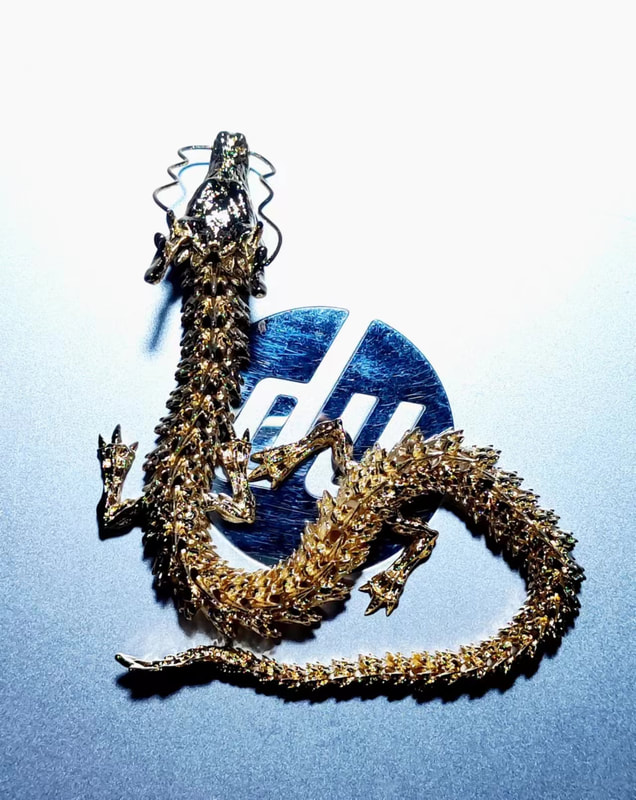
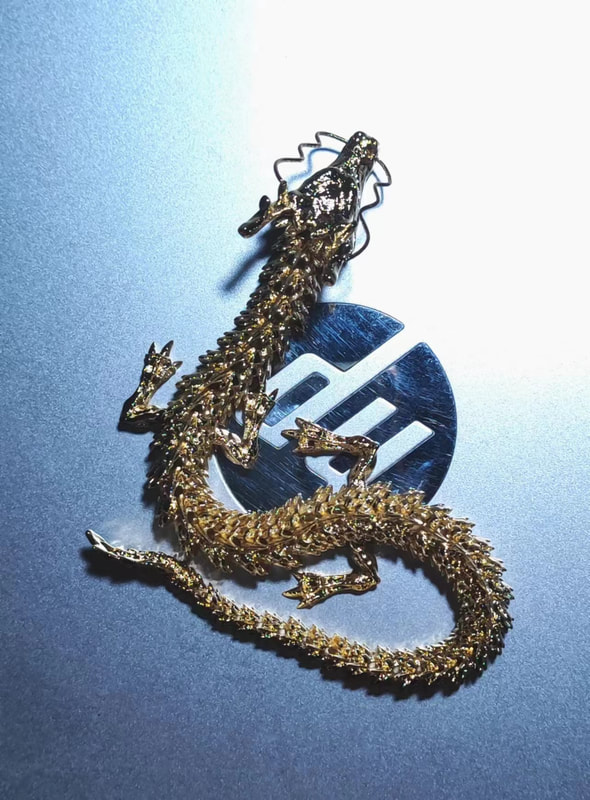
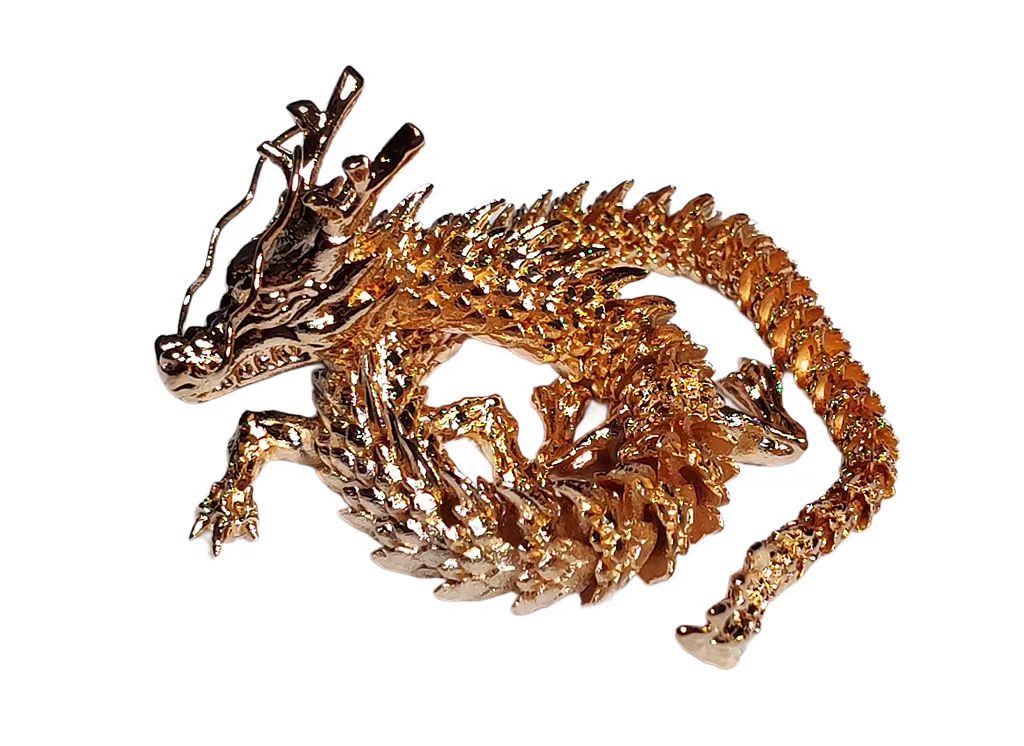
华曙高科(Farsoon Technologies):金属3D打印的龙

|
|
|
|
|
|
|
|
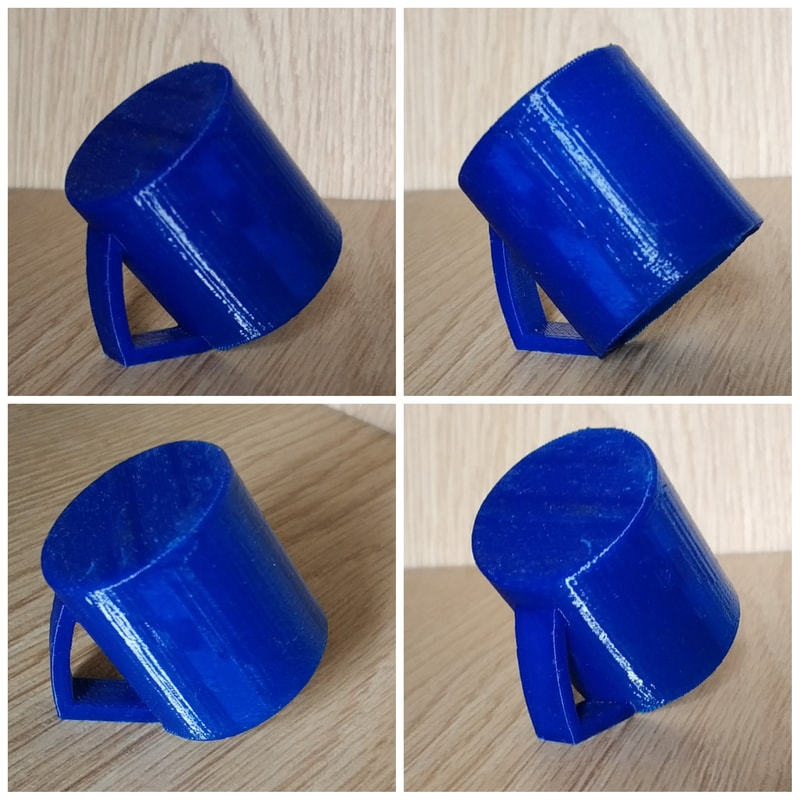
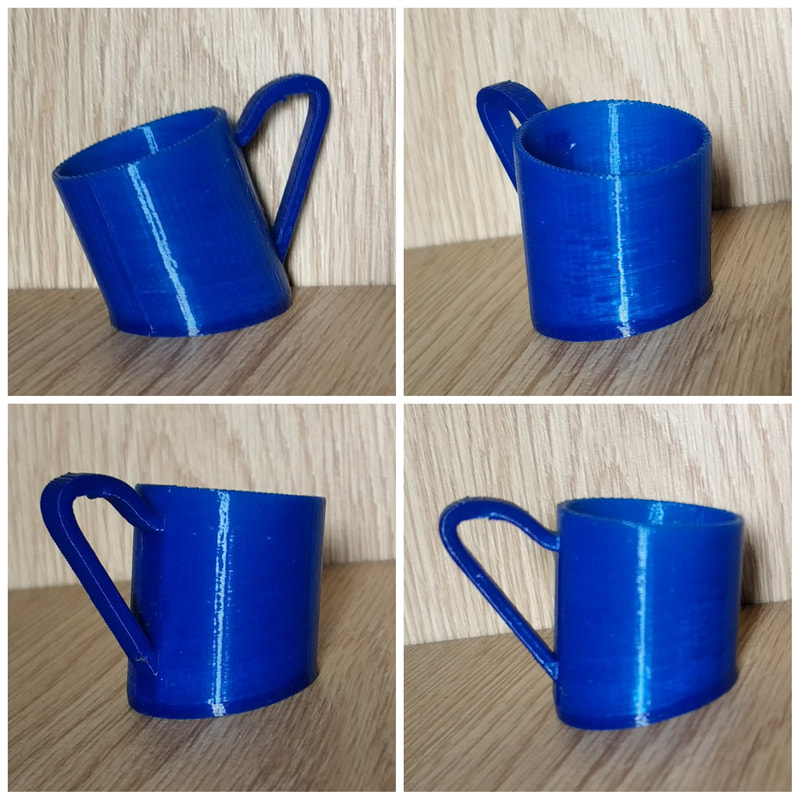
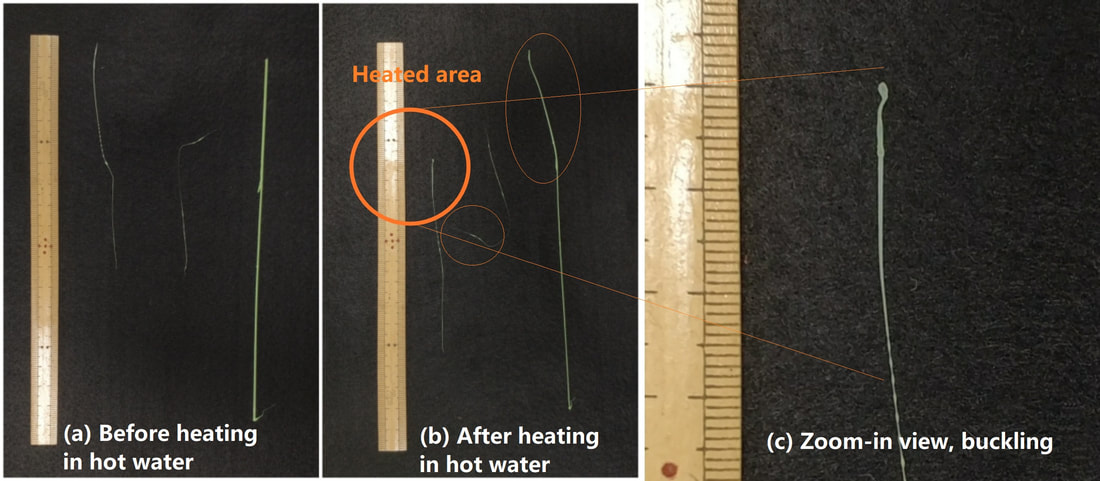
Shape memory effect in filaments
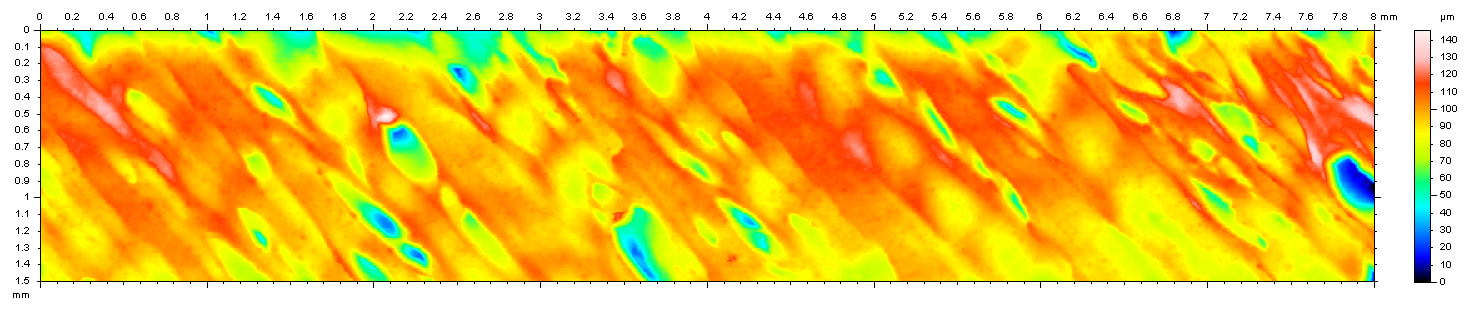
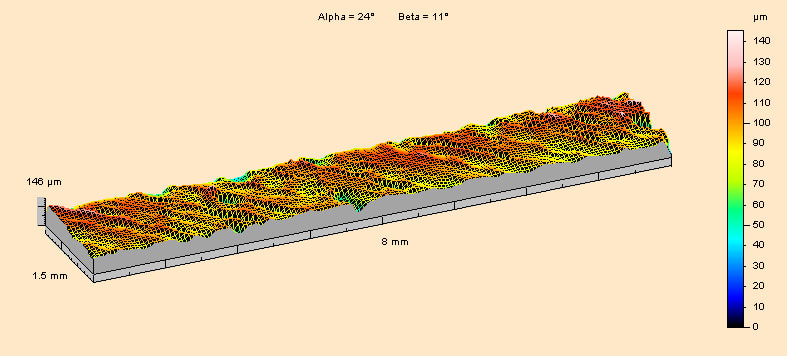
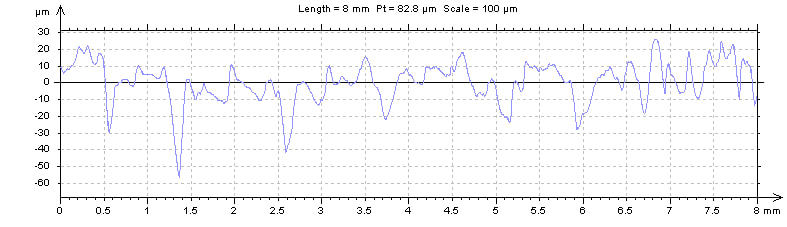
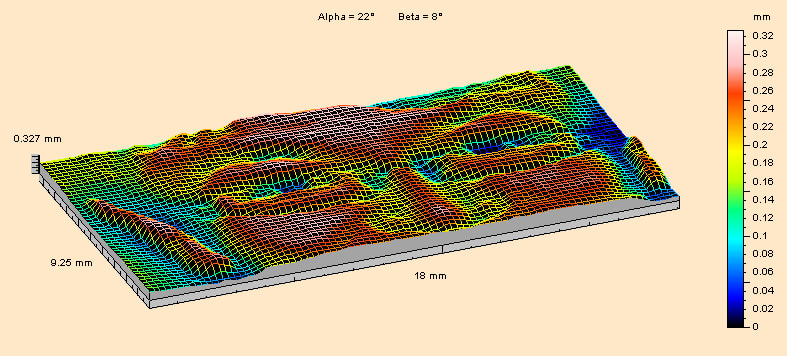
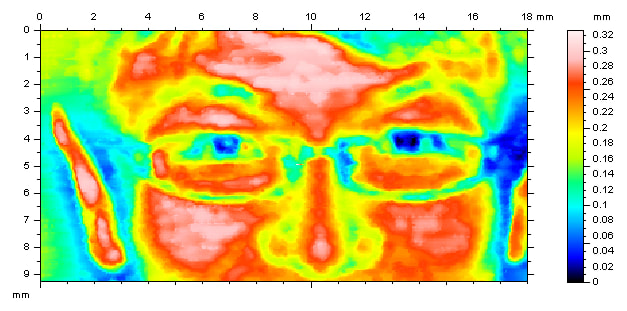
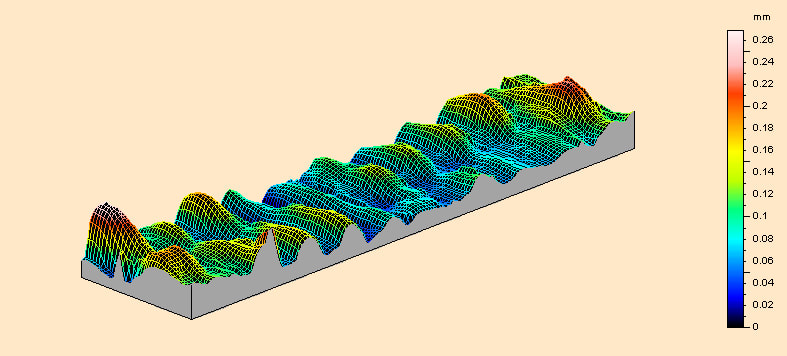
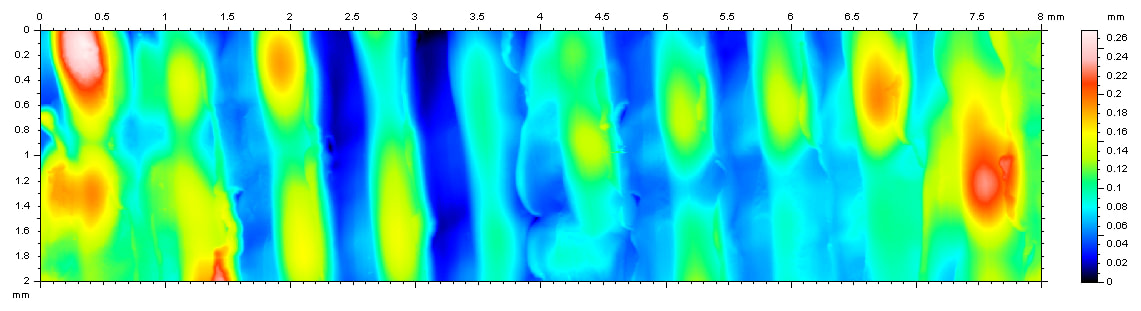
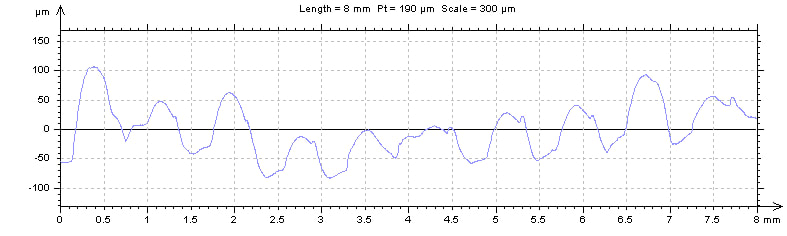
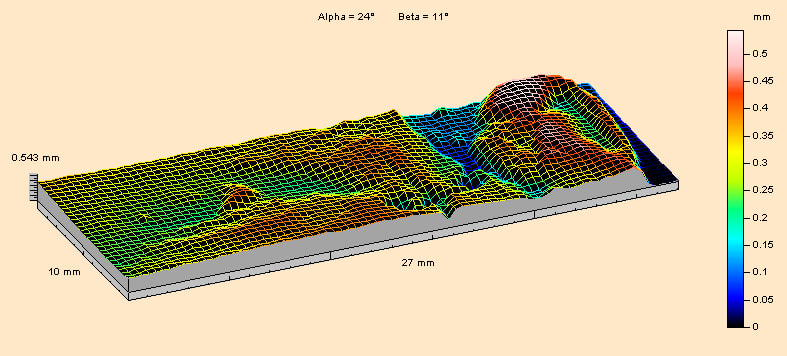
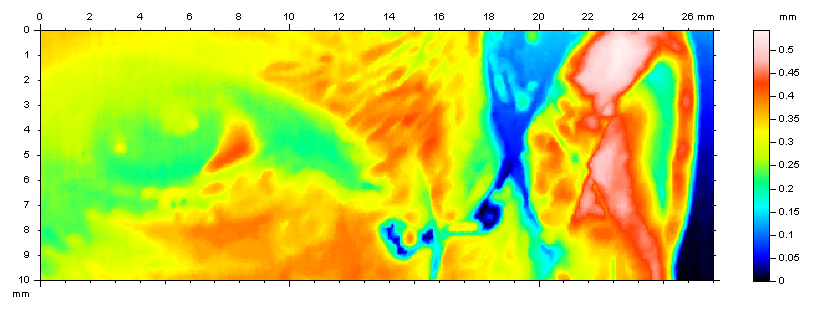
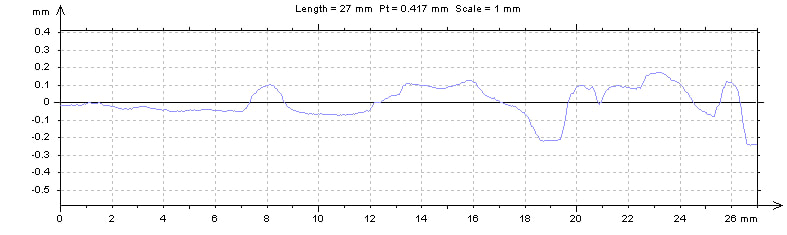
Typical surface profile in printed models
|
|
Buckling
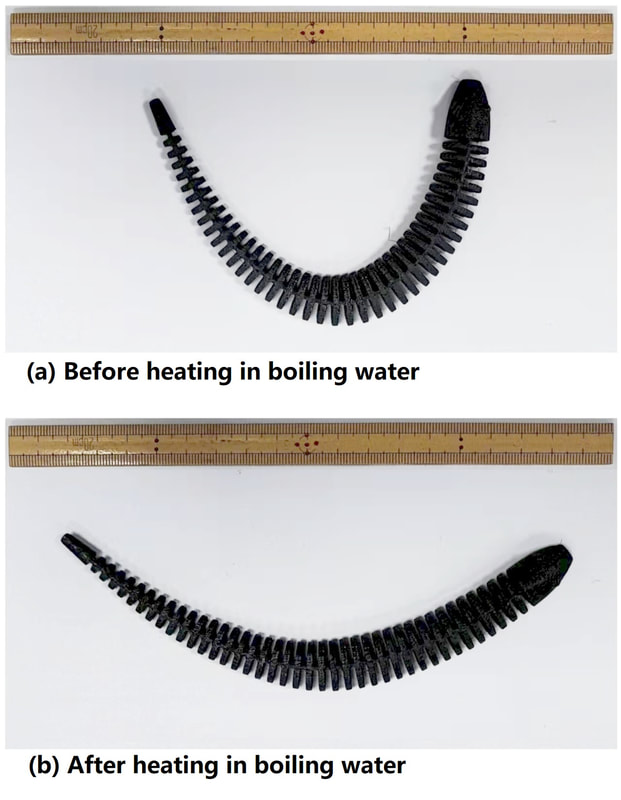
Elastic TPU1. Printed as straight piece.
2. After a long time (about two years?) in curved shape due to self-weight. (a) Free-standing shape. 3. Heating in boiling water. (b) Free-standing shape. |
|
|
FDM: brittle after a couple of years
|
|
|
|
7 款可能改变世界的 3D 打印机
|
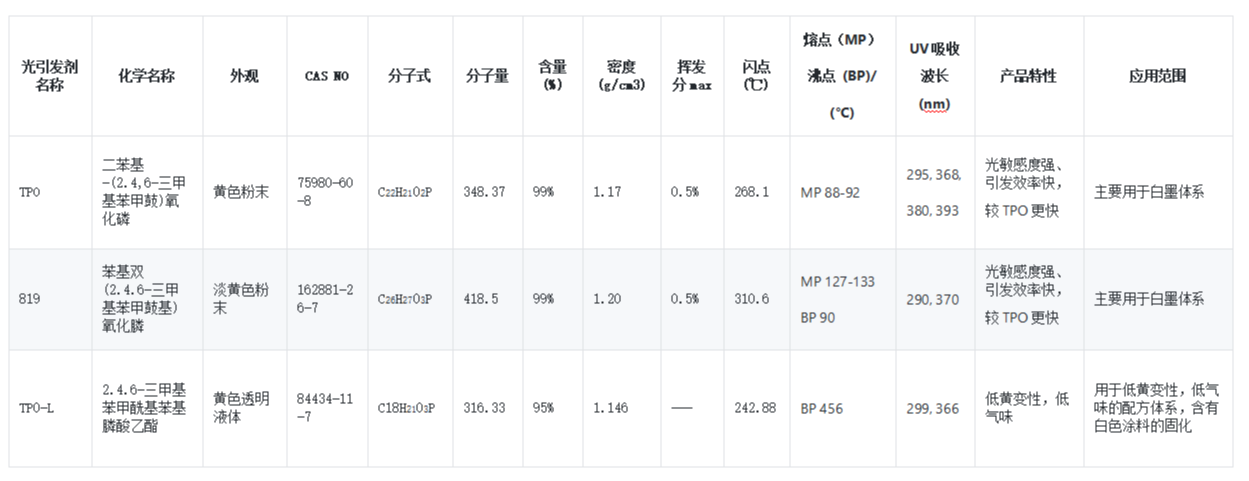
In Xolography, a light sheet of the first wavelength excites a thin
layer of dual-color photoinitiator (DCPI) molecules within a transparent resin. A projector generates light of a second wavelength, focusing sectional images of the 3D model onto the plane of the continuously moving light sheet. |
Xolography for 3D Printing in Microgravity |
Xolography在一定体积的光敏聚合物内相交的两束不同波长的光束来引发空间控制的光聚合,利用自主开发的双色光引发剂(DCPI),在侧面进行UV照射,形成光片平面,随后,将可见光从正交方向投影在 UV 光片平面上。在紫外线和可见光的交汇处,DCPI 会产生自由基,使得材料交联,变硬,在极短的时间内完成厘米级大小的物体打印。
|


|
Luxaprint® 3D cast 2.0
DESCRIPTIONUV curing resin (wavelength 385 nm) for generative manufacturing of cast forms => manufacturing of silicone earmoulds. The green-transparent material offers visual control of the filling process (prevention of air bubbles) with liquid VPS-silicone. Optimum process safety: high construction precision with minimum wall thickness and maximum building speed. Markedly lower viscosity than conventional materials (=> reduced loss of material, easier cleaning, short printing times). Casts made of luxaprint® 3D cast 2.0 are easy to break due to its predefined brittleness. Effortless removal of the silicone blank, no risk of injury from sharp-edged fragments. Colour: green-transparent
|

Eye-2-Eye Communications Pte Ltd
|
|
Body-temperature programmable version
(after modification) [patented] UV cross-linkable hybrid resins for additive manufacturing to achieve high performance and body-temperature programmable shape memory effect
|
|
10款——2025年最佳3D打印柔性树脂
ARBURG Plastic Freeforming - Process description |
|

|
World's First Paste Filaments: Transforming 3D Printing
Transforming FDM 3D Printing: Paste filament enables seamless paste material printing on standard FDM printers, with no modifications required—unlocking endless possibilities for businesses and creators alike.
Print a diverse range of materials, including edible pastes, silicone, epoxy, metals, zirconia, alumina, and many more, using our versatile solution compatible with any FDM printer, expanding your creative possibilities.
|
How to print multi-material devices in one go



3D 打印顶级文件:免费下载 STL 文件的热门网站!
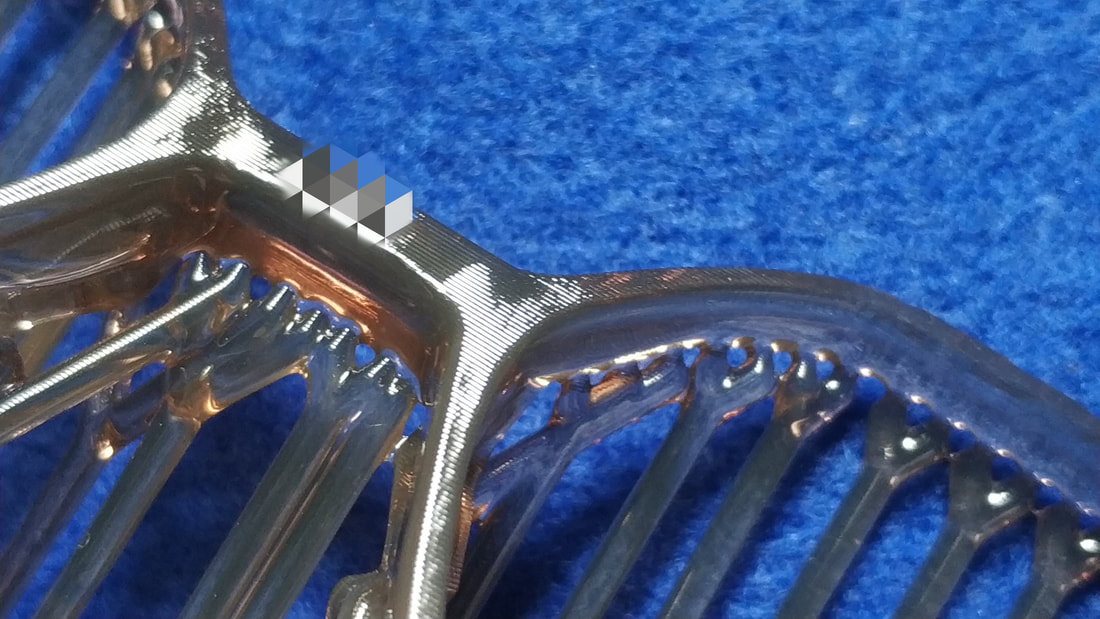
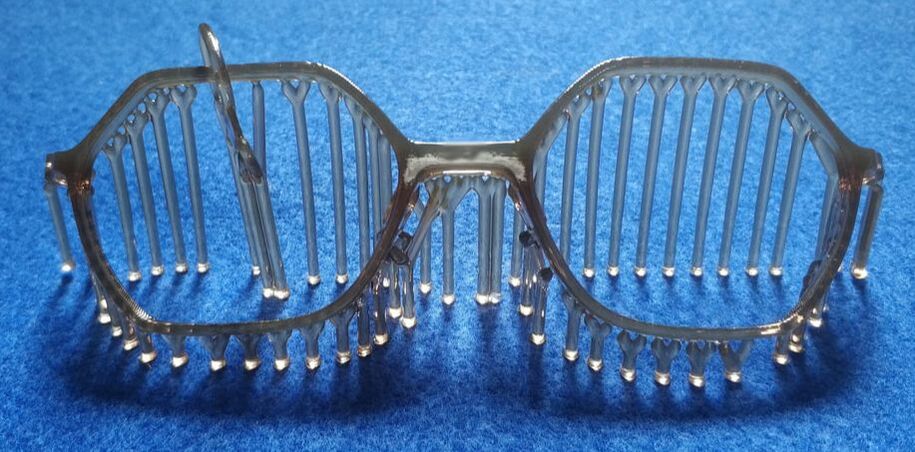
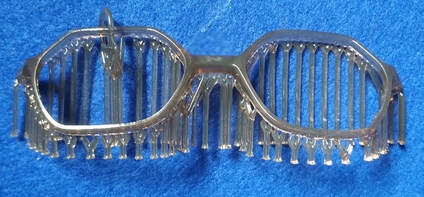
DLP glasses |
|
|
|
|
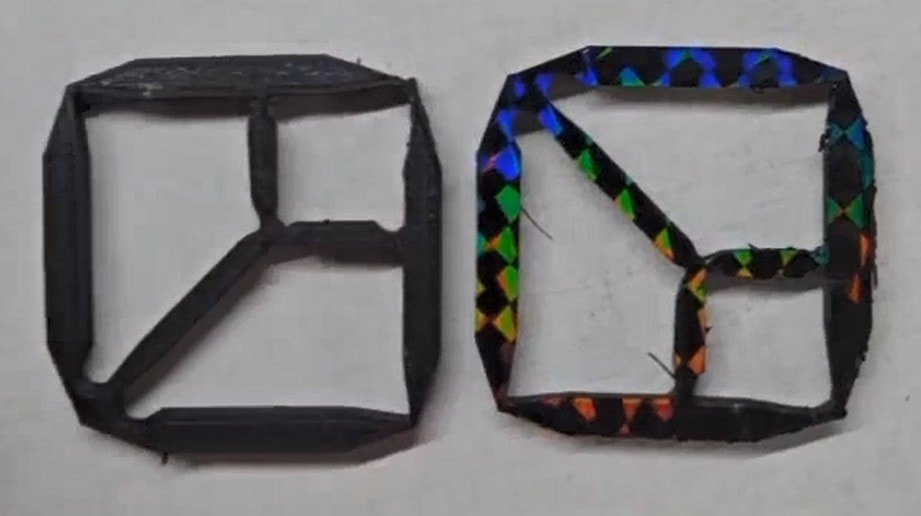
Softening of DLP printed item after in room temperature water for one week
|
|
|
|
|
|
3D打印树脂体系中的常见单体及预聚物 |
光固化3D打印中所使用的不同类型树脂 |
如何安全处理3D打印树脂?这里有份权威操作指南 |
3D打印树脂安全吗?有毒,请注意安全 |
|
|

有关食品安全3D打印:所有你需要知道的!
3D 打印中的 PETG:所有你需要知道的!
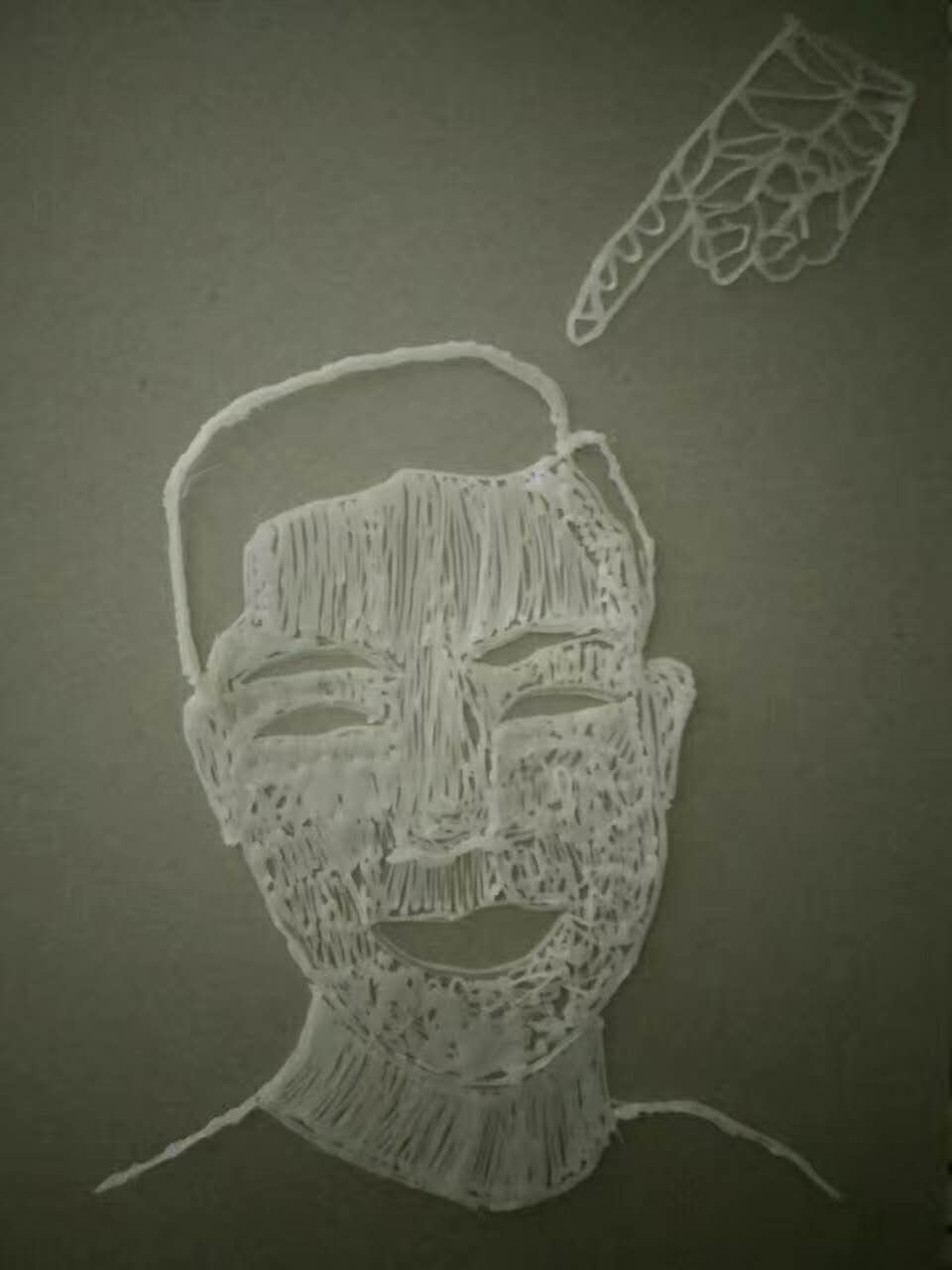
糖画3D打印
|
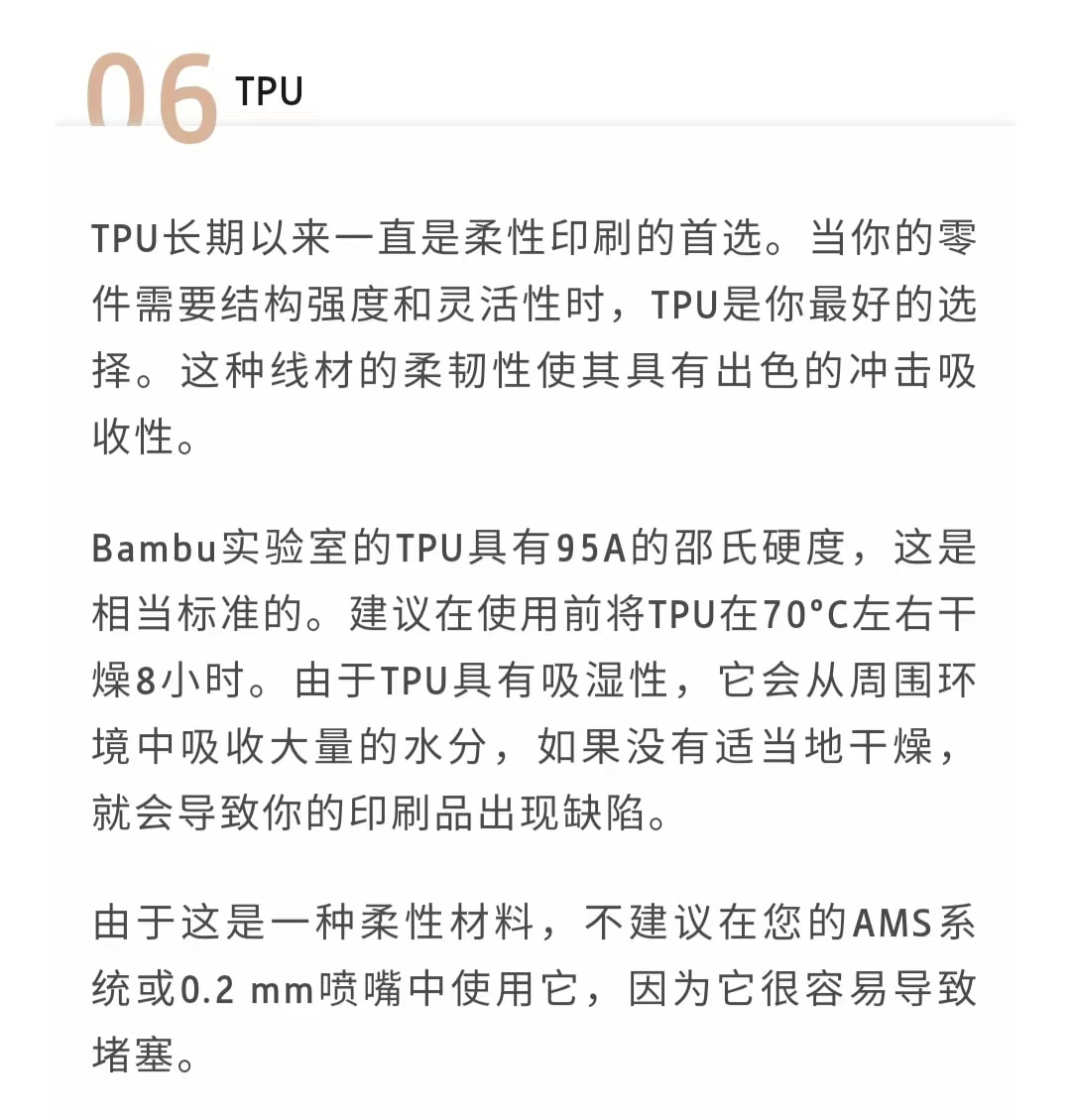
30款—--最酷的 TPU 3D打印
|
Bracelet
Joystick Caps |
|
打印建议
热端温度:210 ~ 240℃ 床温:0-60℃ 打印速度:5- 30mm /s 收放:通常关闭,但如果你开启收放,在20毫米/秒的速度下最大可达3毫米 风扇转速:关闭至少前三层,然后是20-60% 挤出系统:直接挤出机被认为是更成功的,特别是对于旧的打印机 |
在打印任何柔性材料时,最常见的错误之一就是忘记关闭切片机的收缩功能。因为柔韧的材料是柔韧的,当从热端拉回线材时,缩回会产生张力。
线材上的张力使材料伸展和拉伸,这将影响线材的直径。这很容易造成堵塞。所以,如果你确实需要缩回,一定要降低设置。 |

|
仅比手掌大一点的光固化3D打印机
|