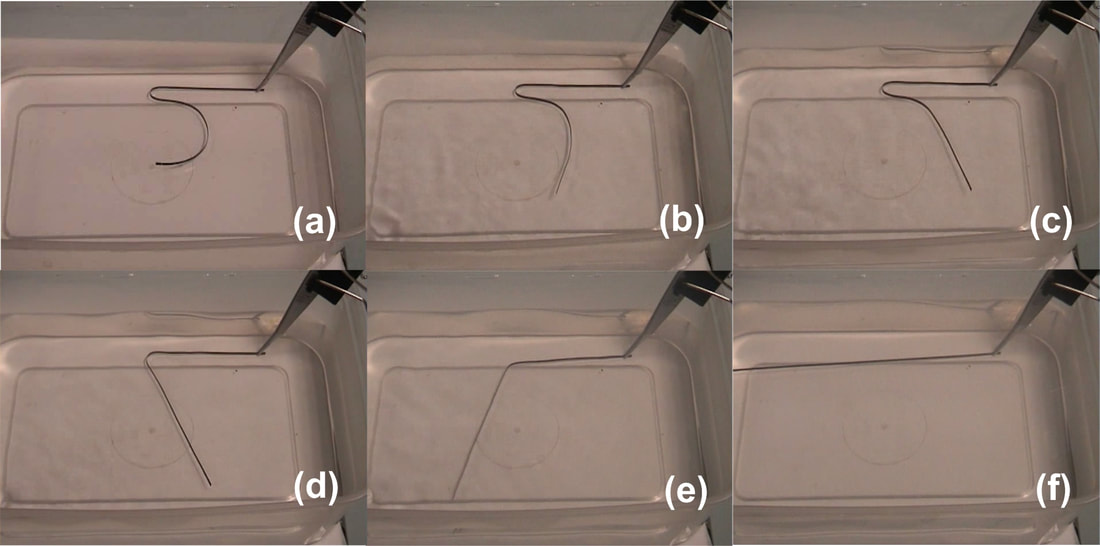
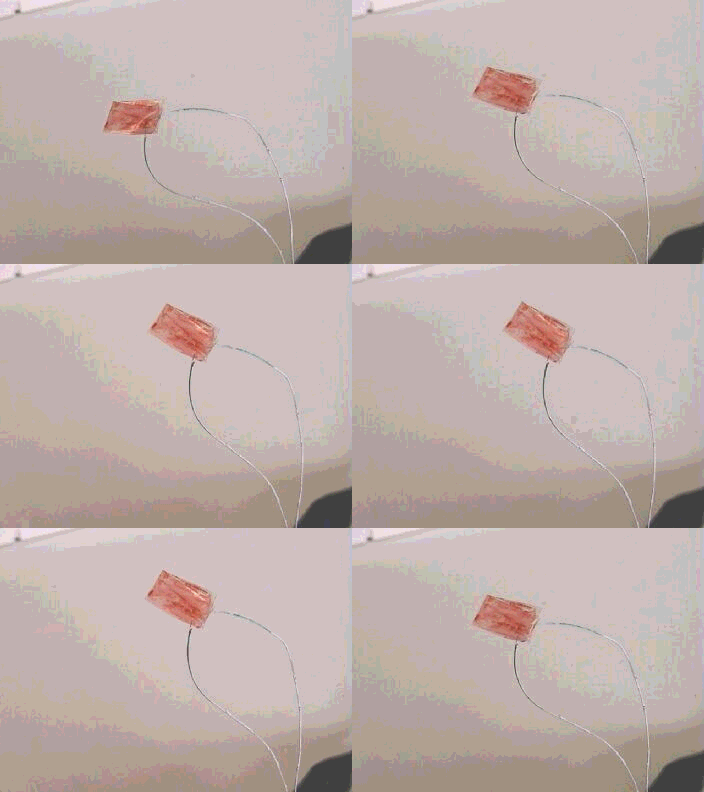
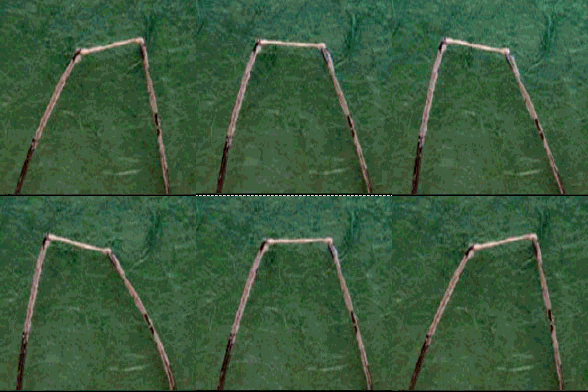
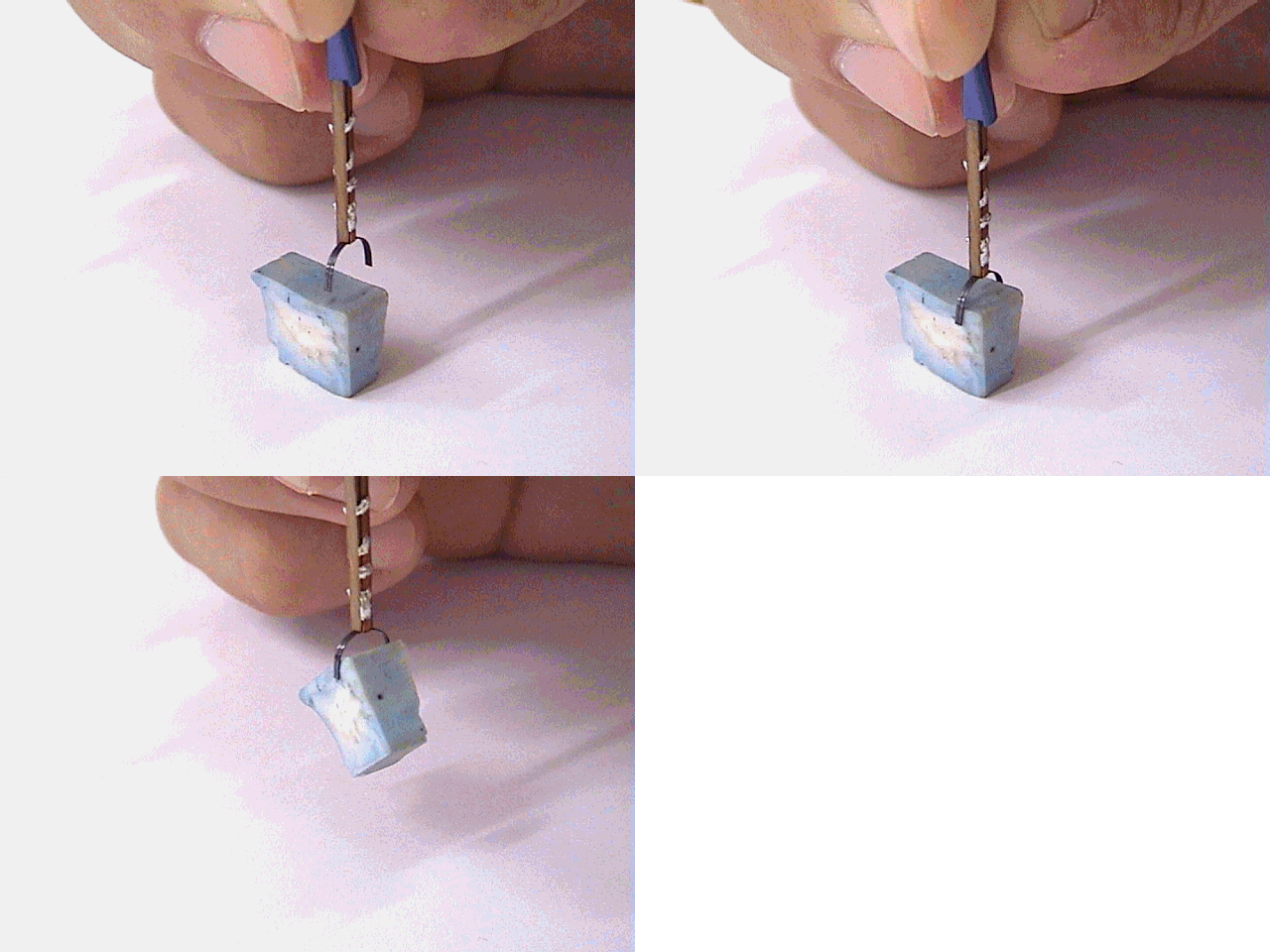
On the selection of shape memory alloys for actuators, Materials & Design, Vol. 23, 2002, pp11-19
Shape change/memory actuators based on shape memory materials, Journal of Mechanical Science and Technology, Vol. 31 (10), 2017, 4863-4873
A note on size effect in actuating NiTi shape memory alloys by electrical current, Materials and Design, Vol. 29, 2008, pp 1432-1437
Elastocaloric heat pumps and cooling systems based on shape memory alloys (SMAs) are practically possible and are an area of active research and development. Here's how they work and the current state of the technology: How Elastocaloric Cooling Works:
Shape Memory Alloys (SMAs): SMAs, such as nickel-titanium (NiTi) alloys, have the unique ability to undergo large, reversible changes in shape when subjected to mechanical stress or temperature changes. This property is due to the material's ability to undergo a phase transformation between its martensite and austenite phases.
Elastocaloric Effect: When an SMA is mechanically stressed, it undergoes a phase transformation that results in a temperature change. This temperature change can be harnessed to transfer heat from one place to another. When the stress is released, the material absorbs heat from its surroundings, cooling down the area.
Heat Pump Cycle: In an elastocaloric cooling system, the SMA is cyclically stressed and unstressed, allowing it to absorb heat from the environment (cooling the space) and then release that heat elsewhere (pumping the heat out). This cycle can be used in a similar way to how conventional refrigeration systems use the vapor-compression cycle.
Practical Considerations:
Efficiency: Elastocaloric cooling has the potential to be more energy-efficient than traditional vapor-compression refrigeration because it avoids the use of refrigerants, which are often harmful to the environment and less efficient. The cooling coefficient of performance (COP) for elastocaloric systems can be high, but the technology is still in the research and development stage.
Material Fatigue: One of the major challenges in developing practical elastocaloric cooling systems is the fatigue of the SMAs. The materials undergo significant mechanical stress during each cycle, which can lead to fatigue and eventual failure. Researchers are working on developing more durable SMAs and optimizing the mechanical cycles to prolong the life of these materials.
Heat Transfer Management: Effective heat transfer mechanisms are essential for the practical implementation of elastocaloric systems. The design of heat exchangers and the overall system architecture are critical to achieving high efficiency and reliable operation.
Prototypes and Demonstrations: There have been several prototypes and laboratory demonstrations of elastocaloric cooling systems. While these have shown promise, scaling the technology up for widespread commercial use is still a work in progress.
Current Status:Elastocaloric cooling systems are in the experimental and prototyping stages, with ongoing research to address the challenges mentioned above. While commercial products are not yet widely available, the technology holds great promise for the future of environmentally friendly and efficient cooling solutions. Continued advancements in materials science, particularly in the development of more durable SMAs, will be key to bringing elastocaloric cooling systems to market.