|
|
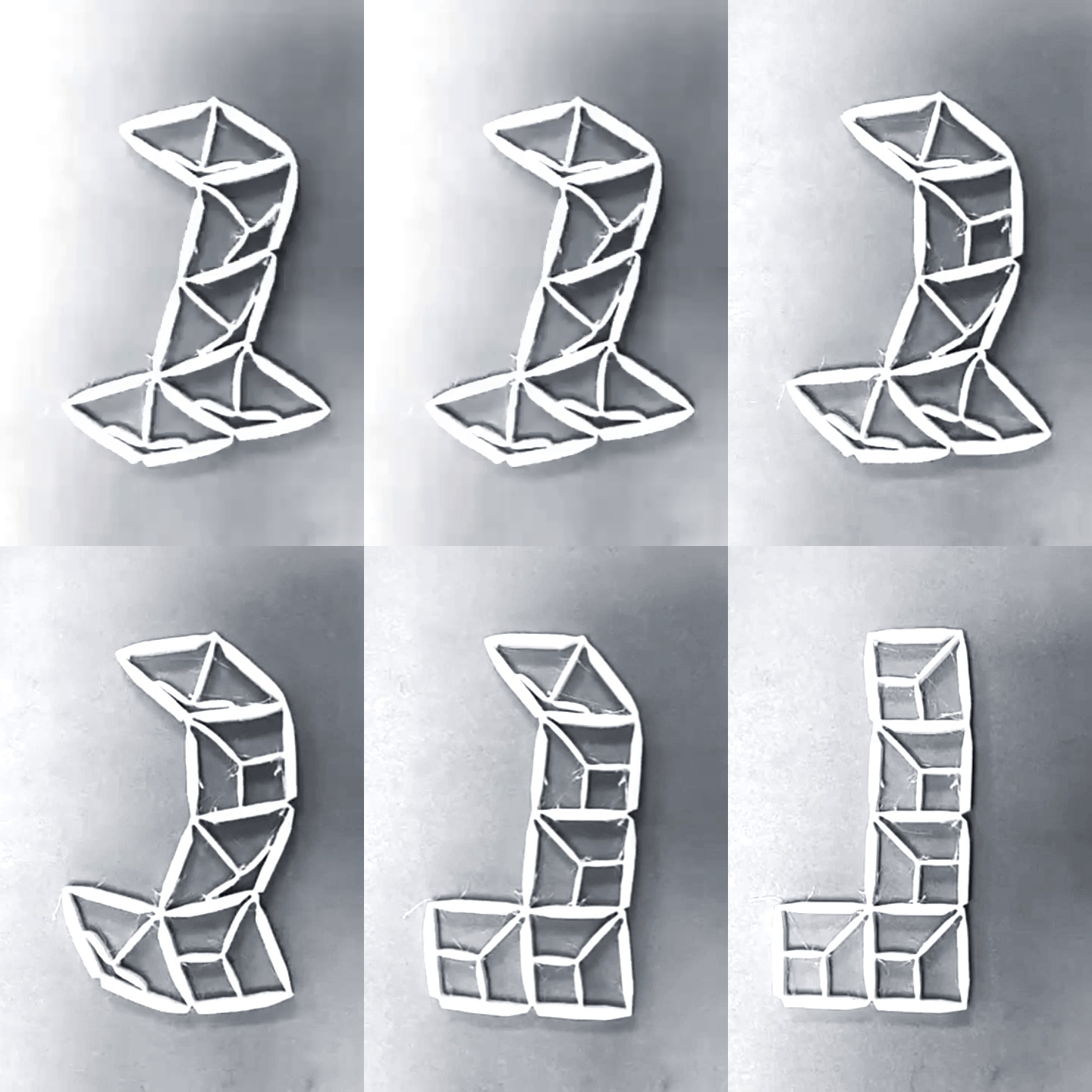
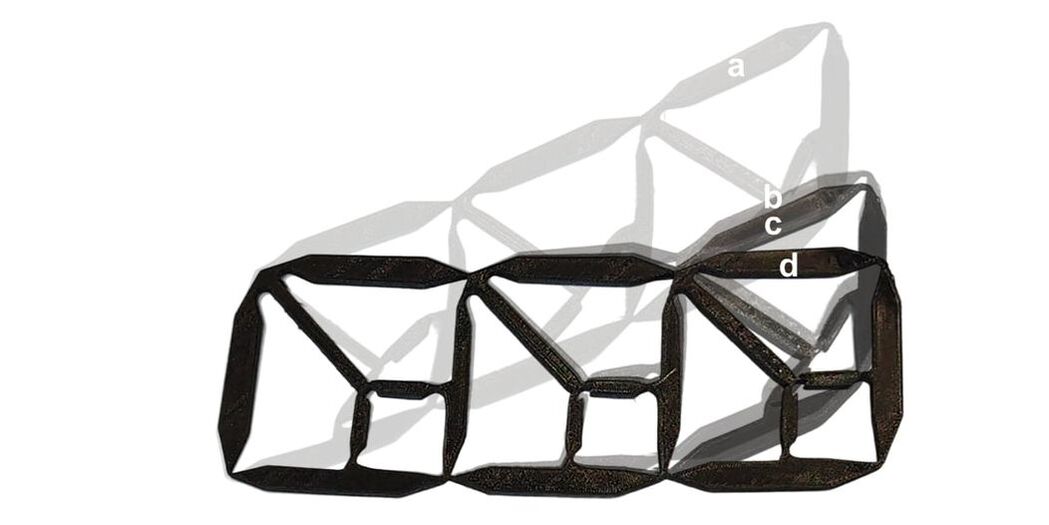
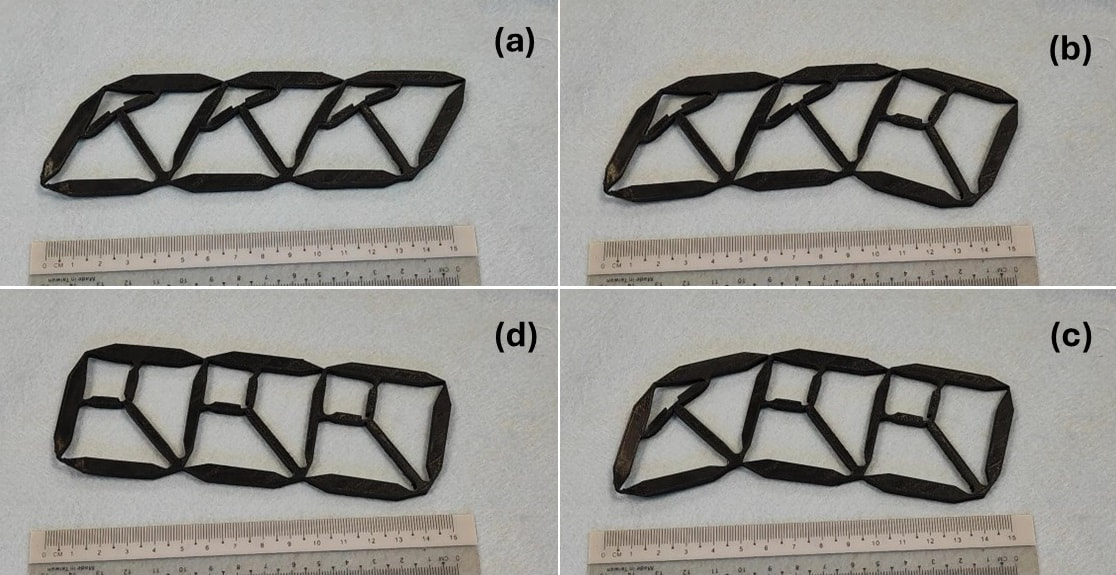
Stepwise shape recovery
|
|
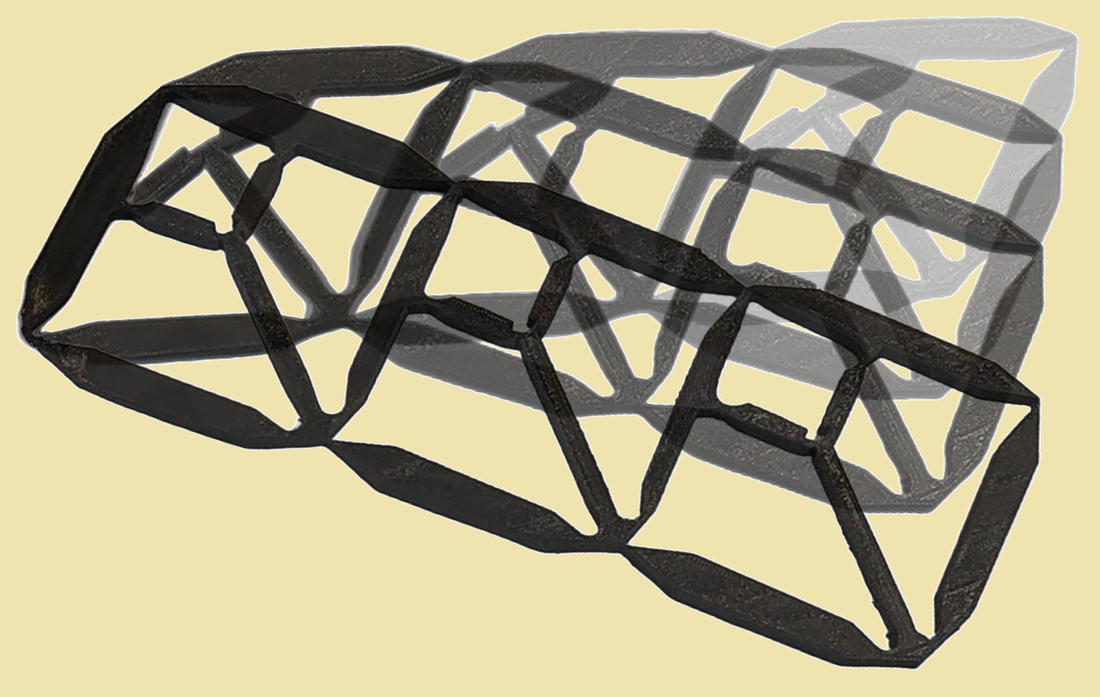
形状记忆结构(Shape Memory Structures, SMS)是一类能够在外界刺激下恢复至预设形状的智能结构。与传统形状记忆聚合物(SMP)不同,SMS展现了极高的弹性、形状保持性和恢复性,并且其编程过程不需要加热,而是可以通过简单的机械变形来完成,这使得操作更加简便和高效。
SMS 的独特优势
总之,形状记忆结构凭借其全弹性、简单编程、高强度和可控恢复特性,突破了传统形状记忆聚合物的局限性,展现出广阔的应用前景。 |
Shape Memory Structures (SMS) are a class of smart structures that can recover to a pre-programmed shape upon external stimuli. Unlike traditional Shape Memory Polymers (SMP), SMS exhibit full elasticity, excellent shape fixity, and recovery, with a much simpler programming process that does not require heating. The deformation is controlled through structural design, making the system efficient and predictable.
Unique Advantages of SMS
In summary, Shape Memory Structures overcome many of the limitations of traditional shape memory polymers with their full elasticity, simple programming, high strength, and controllable recovery properties. This opens up exciting possibilities for their use in various high-tech applications. |
|
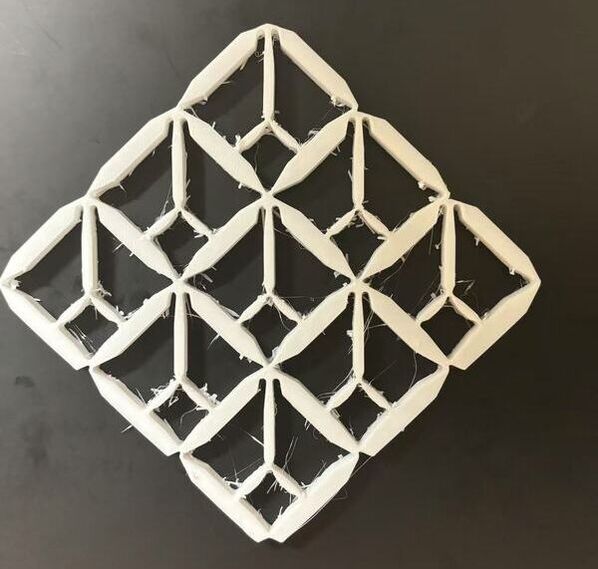
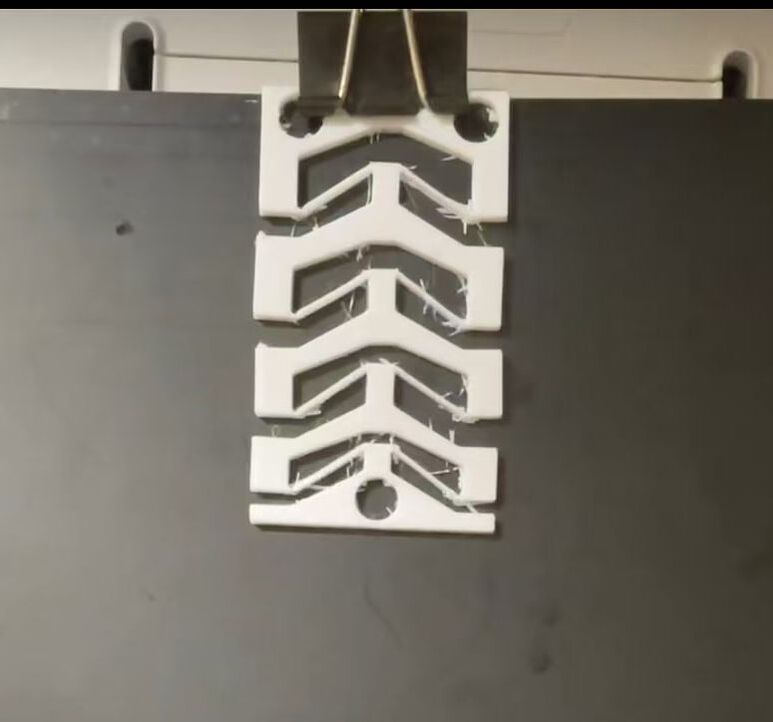
Extension/contraction
|
|
|
|
|
|
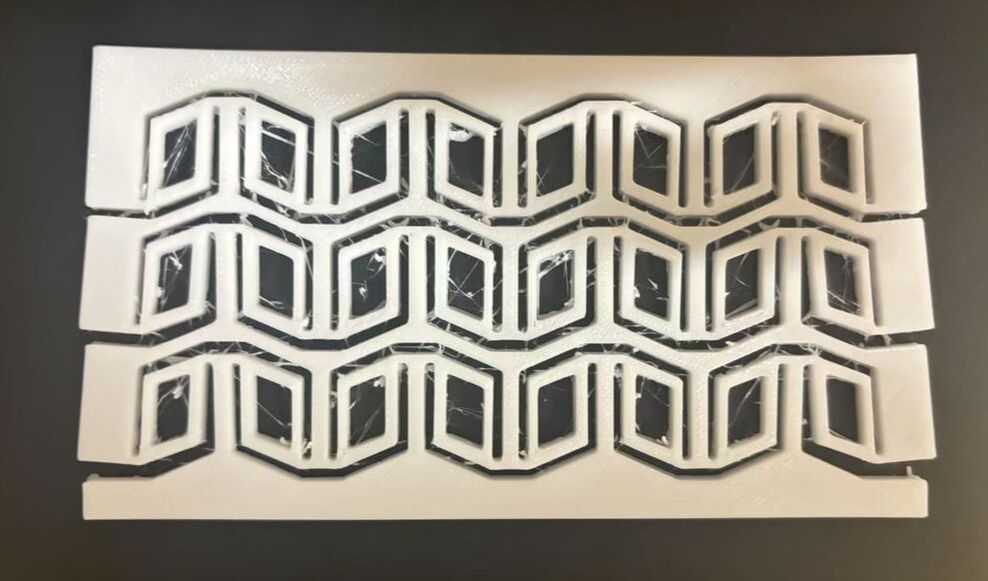
Step-by-step recovery of 3D printed multiple stable structures |
(MSc) Cui J
(FYP) Lim JY/Wong JC |
|
|
Shearing
|
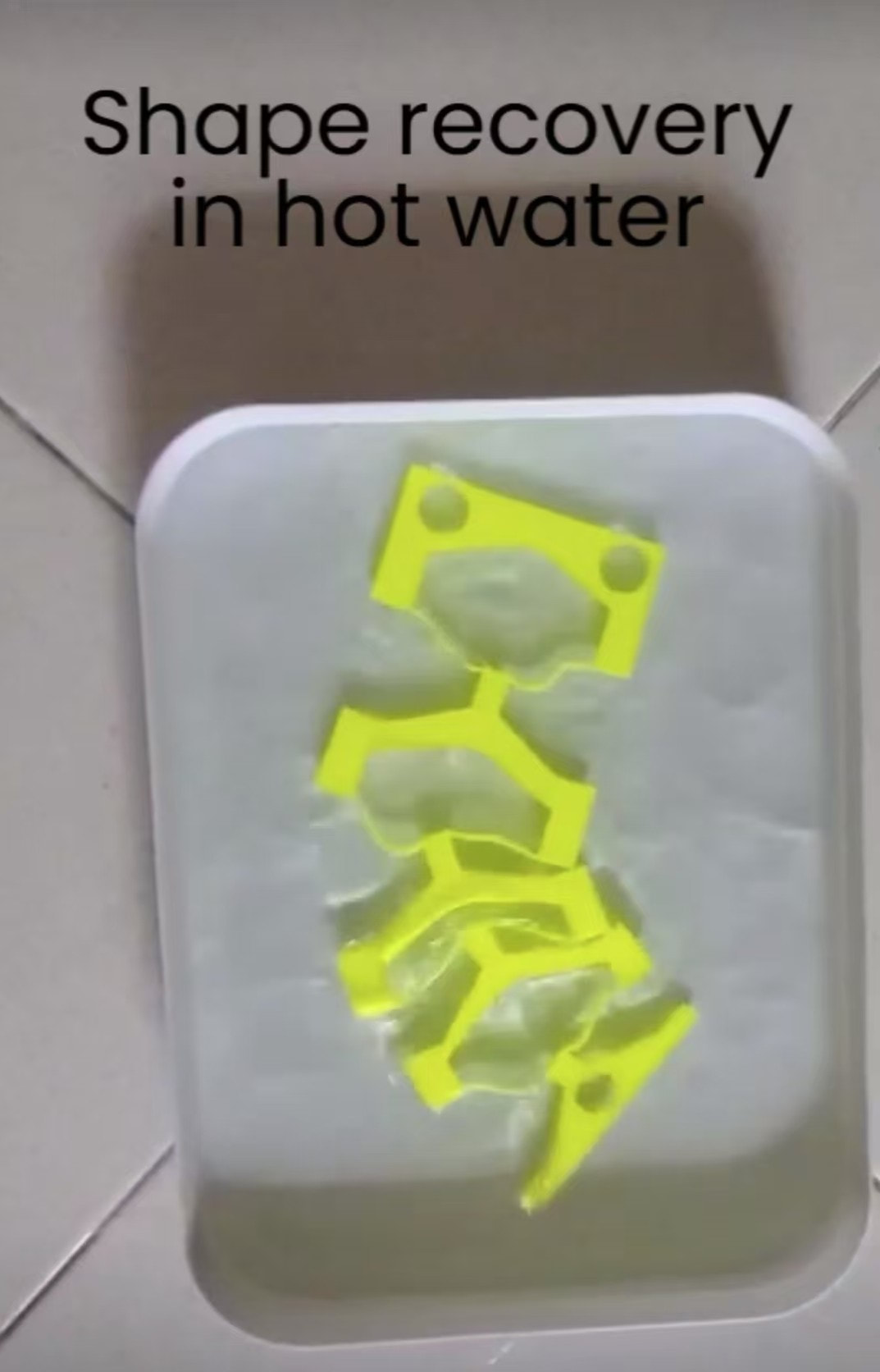
Stepwise shape recovery @room temperature
|
|
|
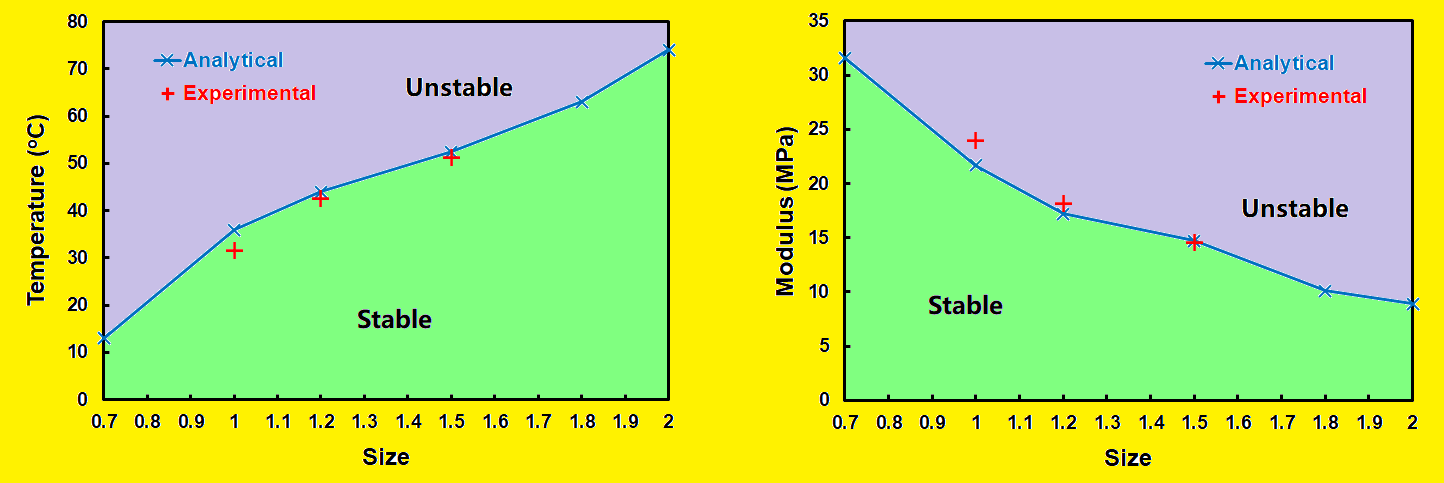
Mechano/heating-responsive shape memory structures
with Dr Wang TX (NAAU)
|
|
|
|
|
|
(FYP) Lim WY
|
|
|
(FYP) Lim JY, Wong JC
Step by step shape switch 20250330 |
|
|
(FYP) Wong JC
|
Step by step shape recovery in "Symmetric" structures 202503a |
|
|
|
|
(MSc) Cui J
|
|
|
|
|
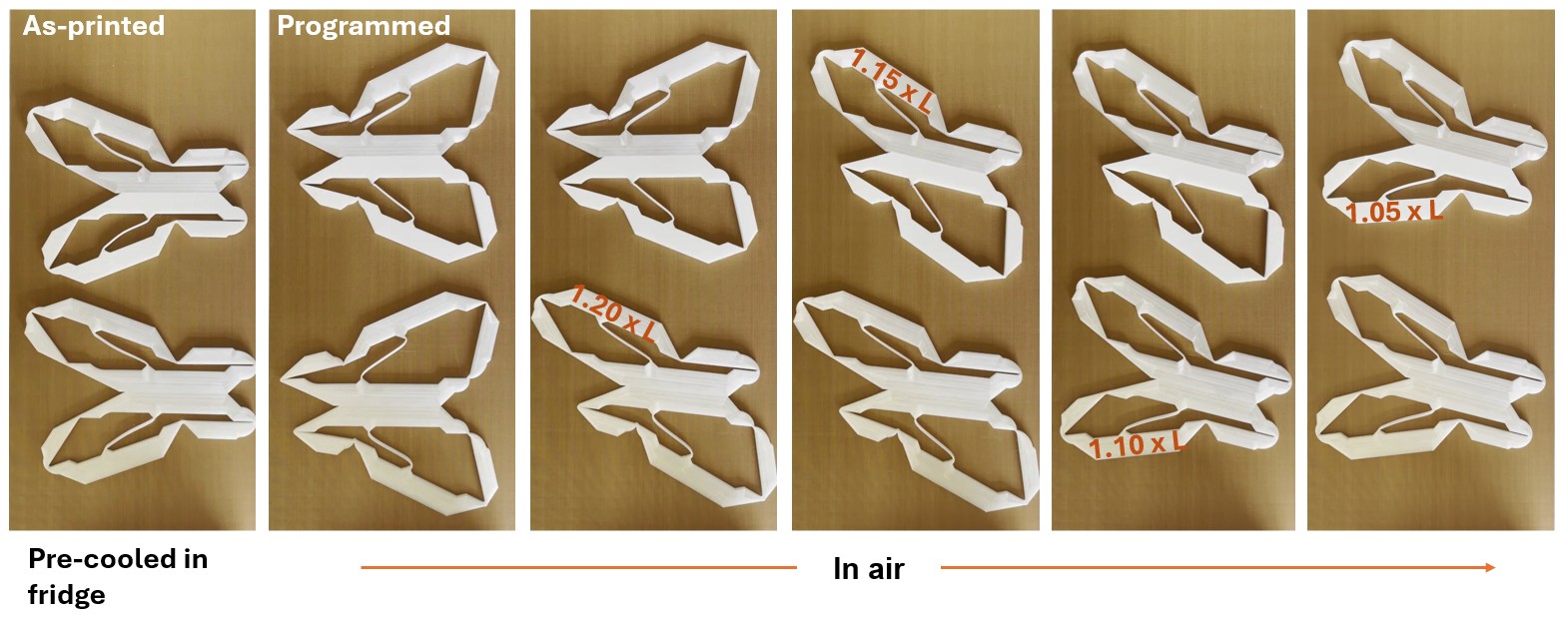
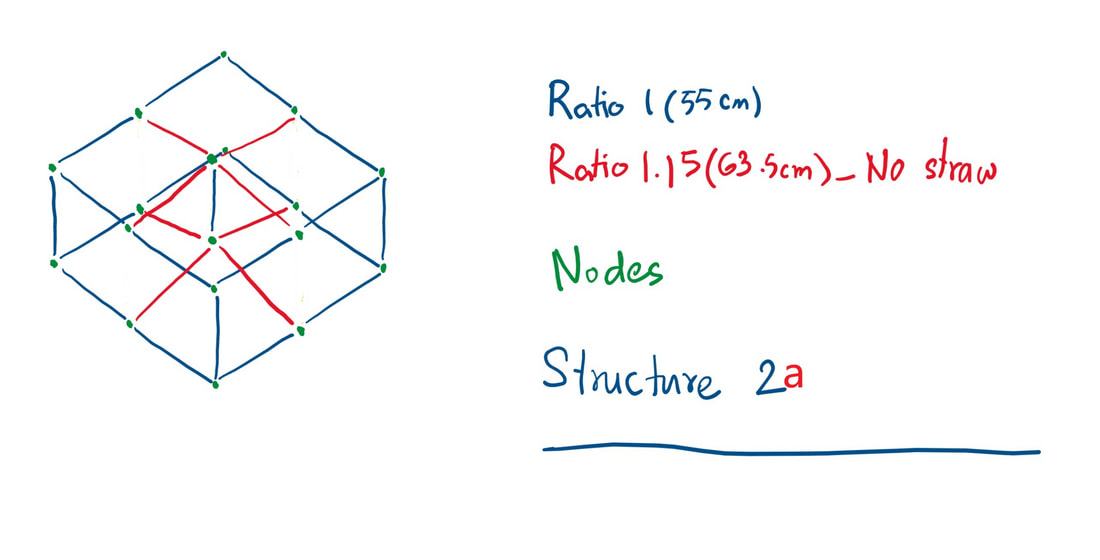
3D printed shape memory structure: heating for shape recovery
Slow recovery(URECA) Brian Ye Htet Lin
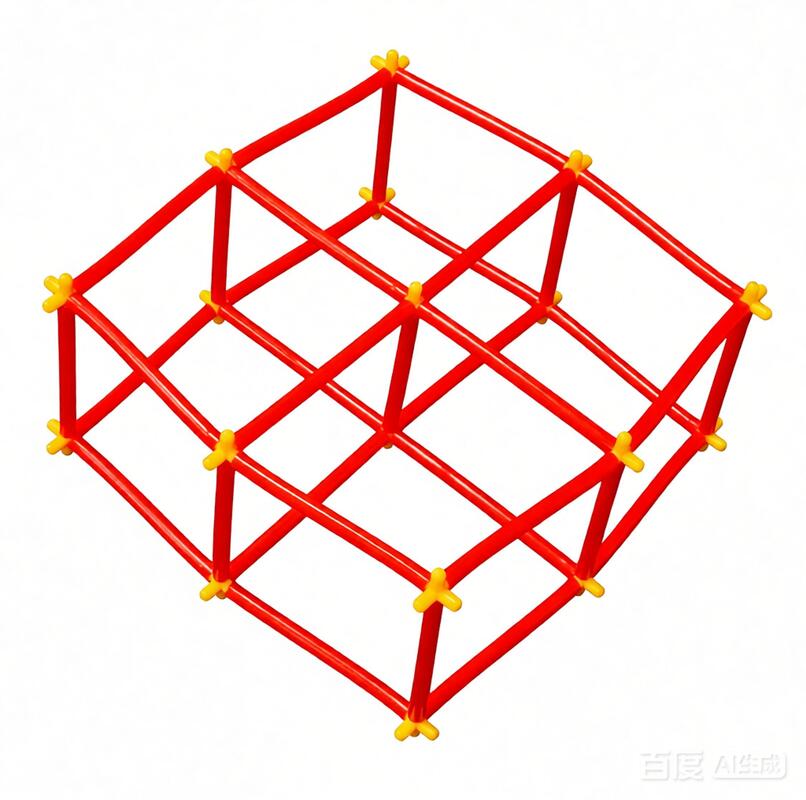
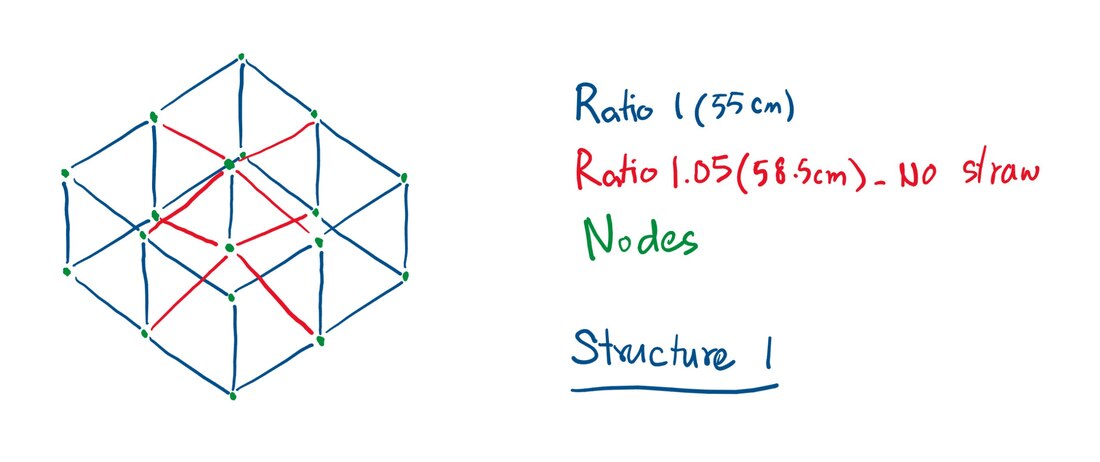
Straw version
|
|
|
|
|
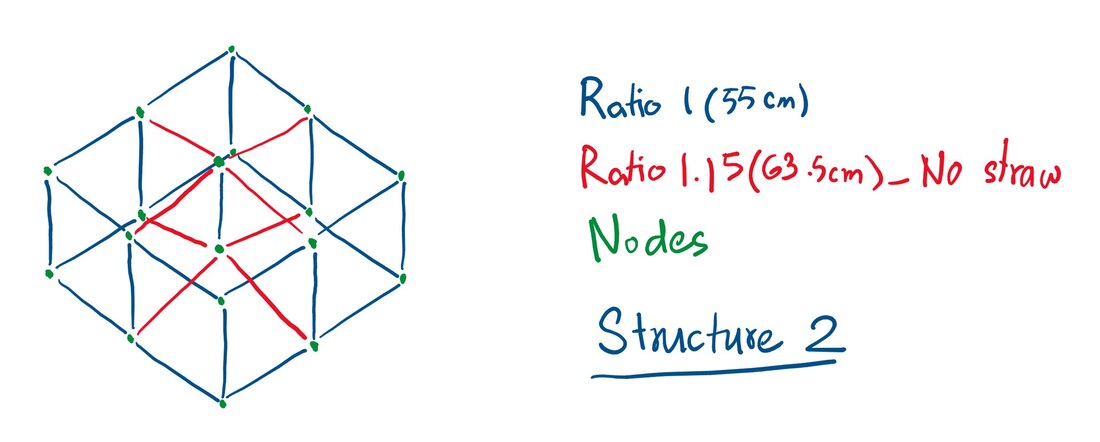
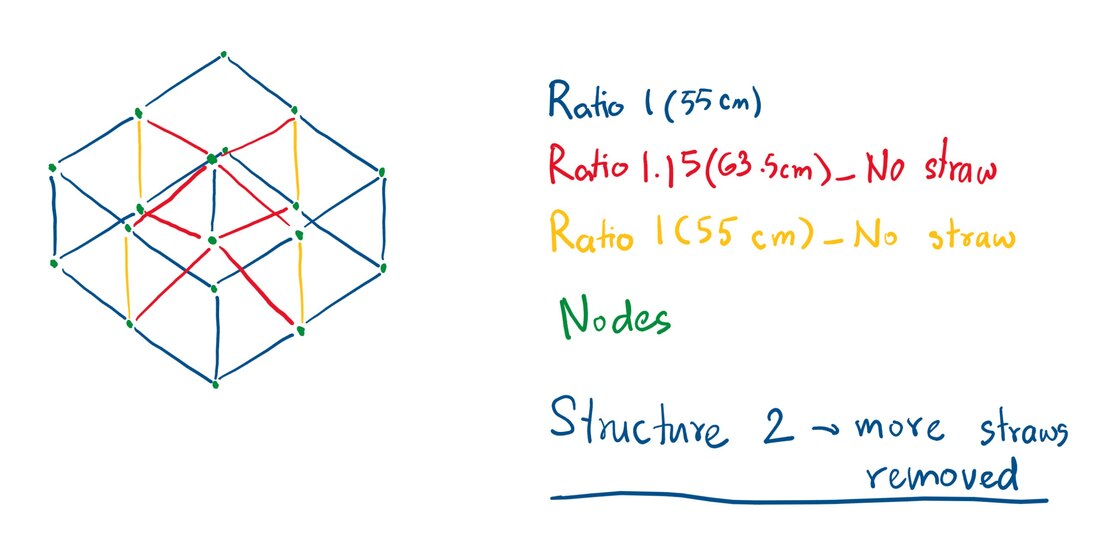
|
|
Cooling in fridge
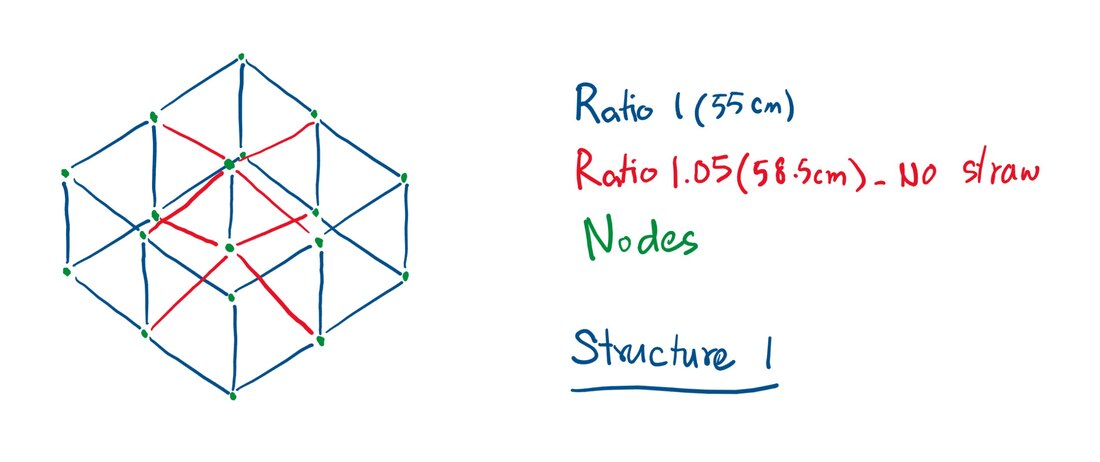
|
|
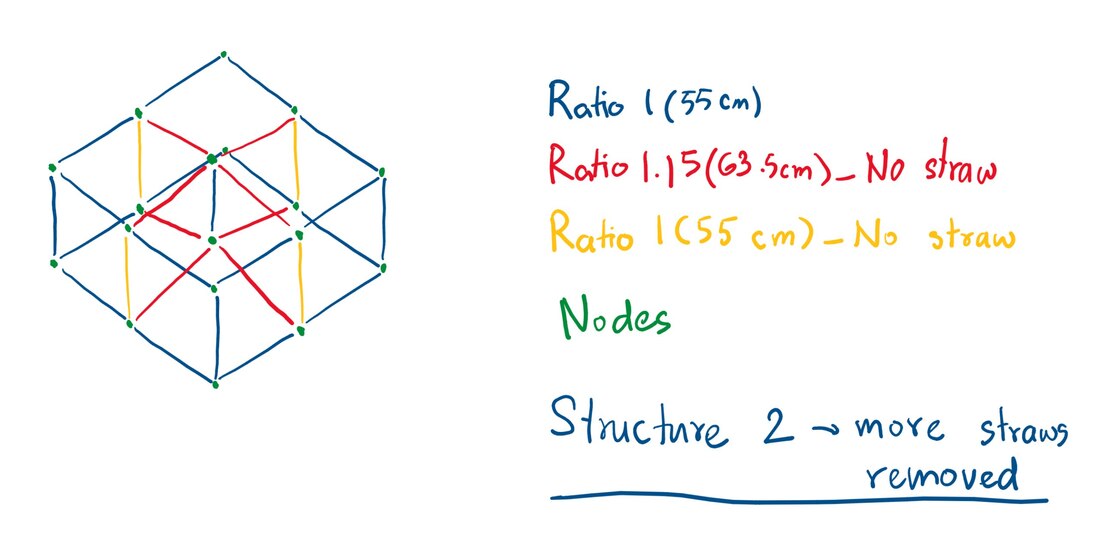
|
|
|
|
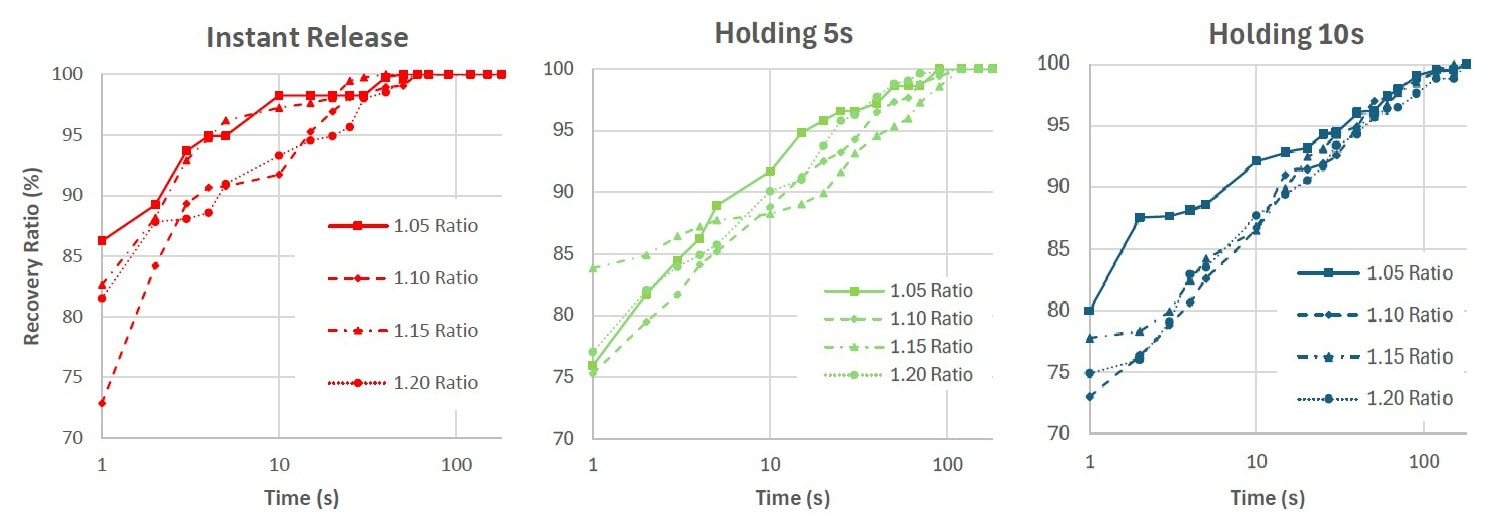
W/WO pre-cooling
|
|
|
|
|
|

|
(P-FYP) Paing HK
|
|
|
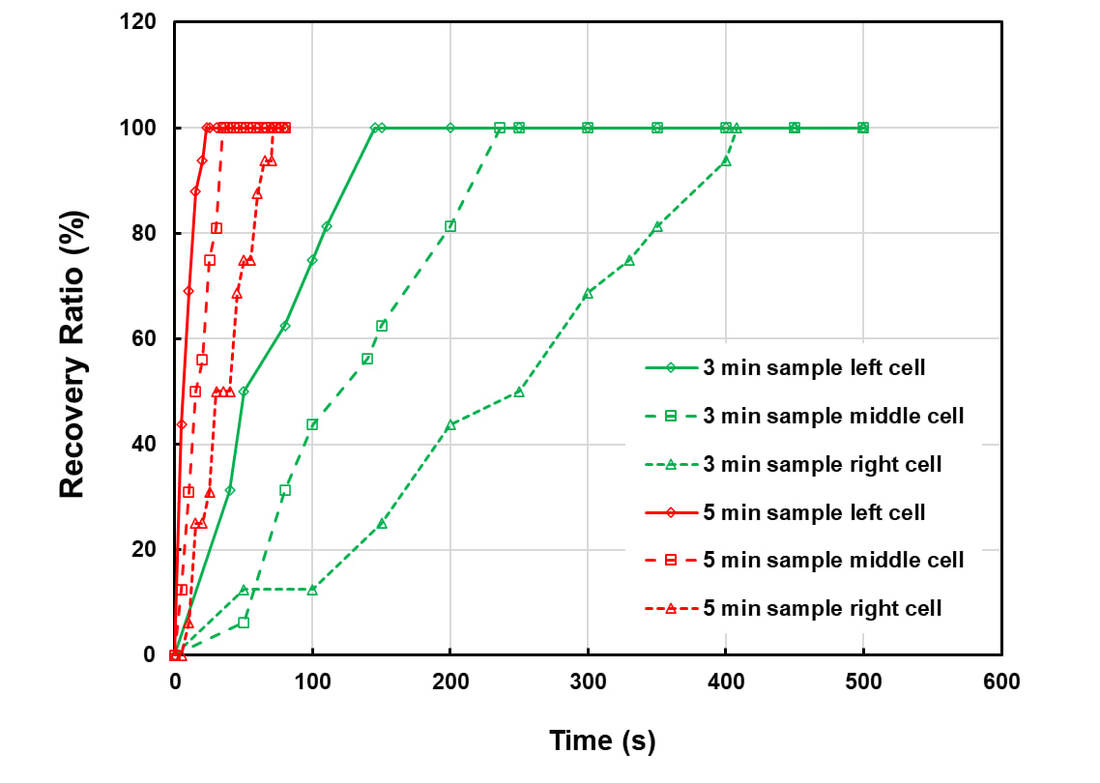
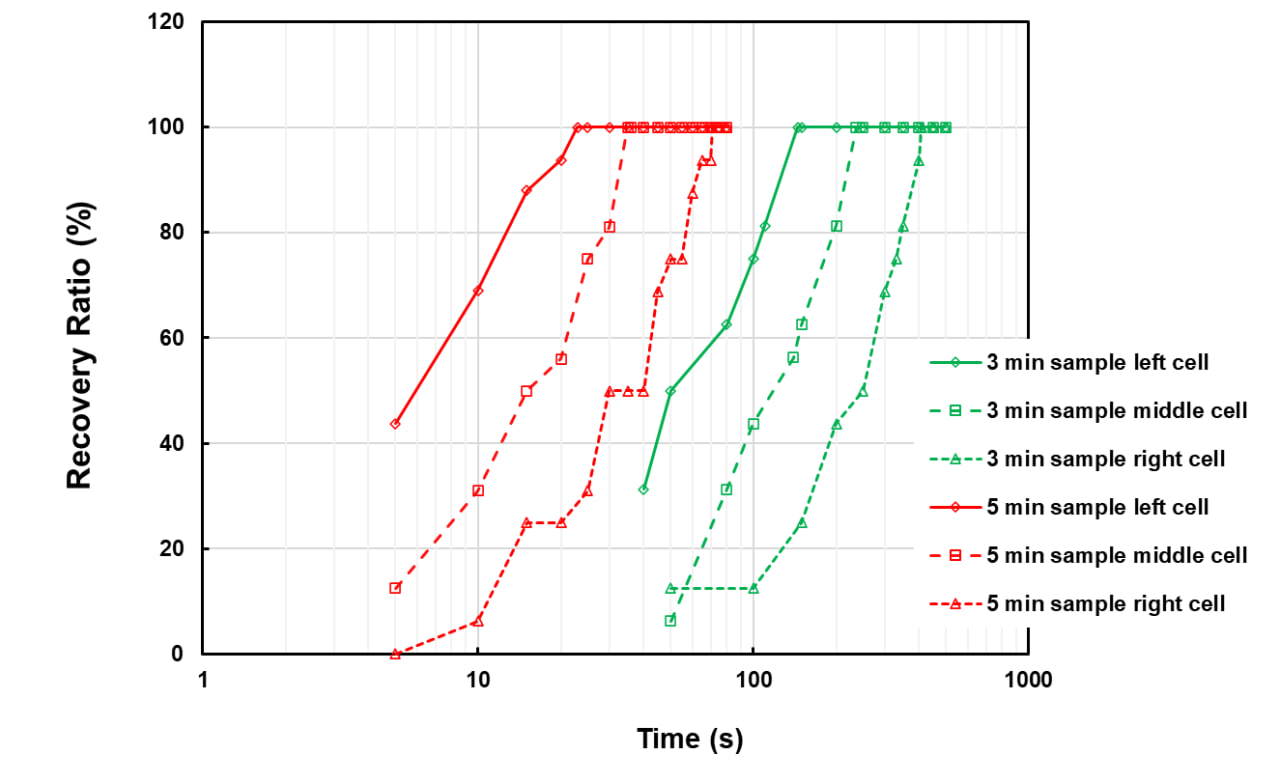
3 min vs 5 min cross-linked samples
|
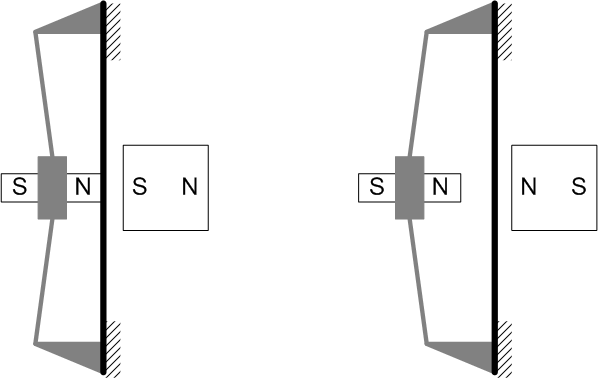
Magneto-responsive shape memory structuresConcept
|
|
Metamaterials vs metastructures
In engineering and physics, metamaterials and metastructures represent a shift from relying on chemistry to relying on geometry and architecture to achieve unique physical properties.
The primary difference lies in the scale of operation and how the system interacts with external fields or forces.
The primary difference lies in the scale of operation and how the system interacts with external fields or forces.
|
Metamaterials (Material-Level Focus)
A metamaterial is an artificially engineered composite whose extraordinary properties are derived from its deliberately designed internal geometry (unit cells or "meta-atoms") rather than the chemical composition of its base substances.
|
Metastructures (Structure-Level Focus)
A metastructure is a higher-level, macro-scale engineering system built by intentionally assembling metamaterials, mechanism-based arrays, or compliant elements to achieve unusual, macro-scale structural performance.
|
Summary of Differences
|
Primary Scale Analysis Core Function |
Metamaterials
Microscopic / Subwavelength unit cells Treated as a continuous, uniform material Exotic properties (e.g., negative stiffness) |
Metastructures
Macroscopic / Structural system scale Treated as an engineered device or assembly Large-scale morphing, folding, or deployment |
|
Inverse design of multistable kirigami metamaterial via geometry-enabled shape programming and transforming
|
The inverse design of metamaterials with desired properties represents a significant challenge in mechanical science. Despite the potential demonstrated by recent algorithm models, their adoption has been limited by constraints such as the geometric limitations of elementary building cells. The use of the kirigami principle, which offers large deformation and nonlinear stiffness, has been explored. However, existing kirigami geometries, which remain isotropic, may restrict the design space. Our objective is to leverage the capabilities of geometry in shape programming and transformation to provide a framework for inverse design. This framework utilizes a unified geometry in kirigami cutting that is easily parameterized to generate independent anisotropic deformation and bistability. By integrating machine learning with a genetic algorithm, we achieve an inverse design process. The resulting kirigami architectures can be preprogrammed into target shapes and transformed between multiple stable states. This work underscores the significance of cell geometry topology, offering a powerful tool for the inverse design of metamaterials with reconfigurable and tailored mechanical properties, applicable in various fields such as robotics, electronics, and beyond.
|