|
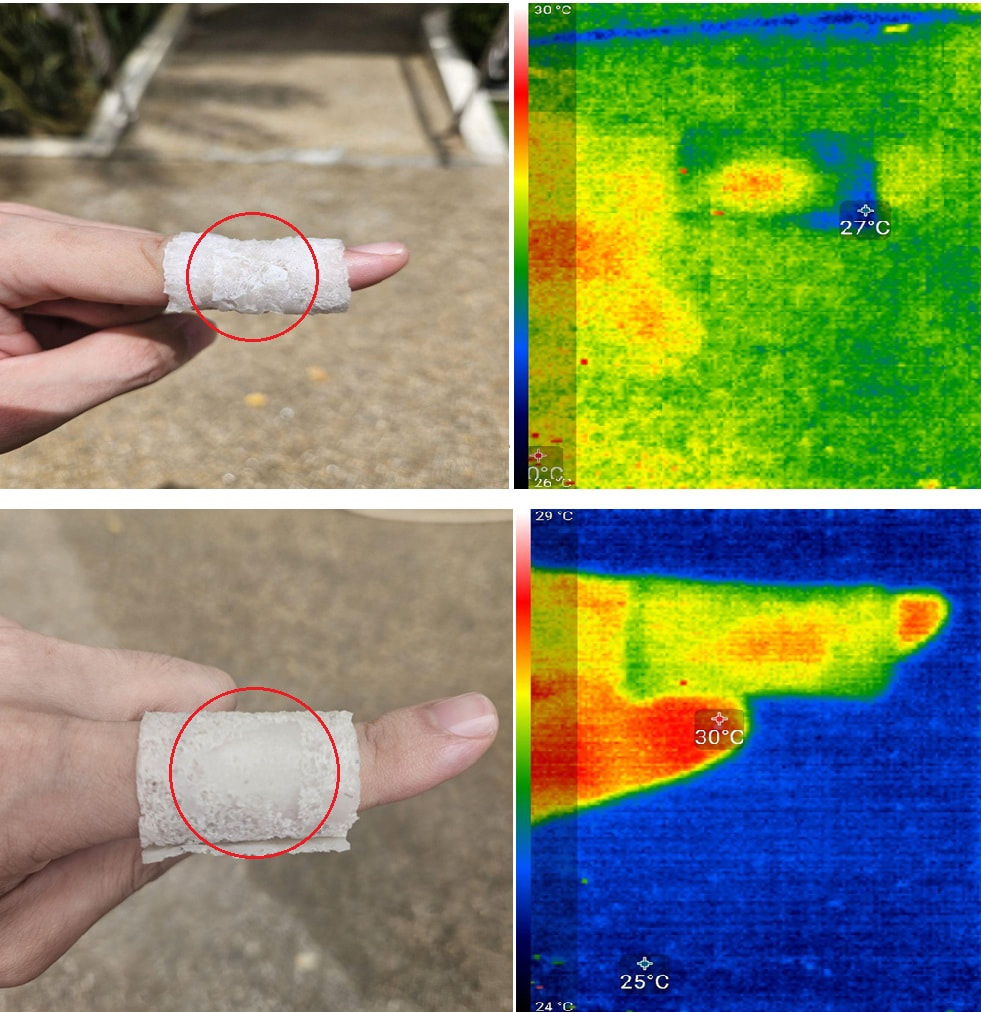
(FYP) Chen YY
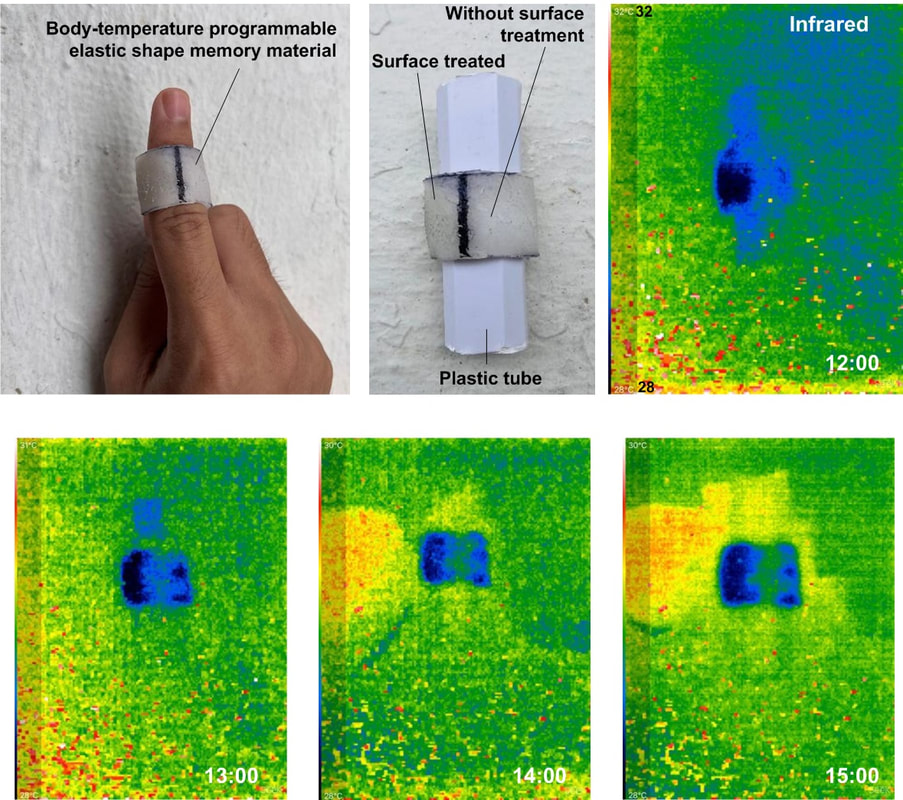
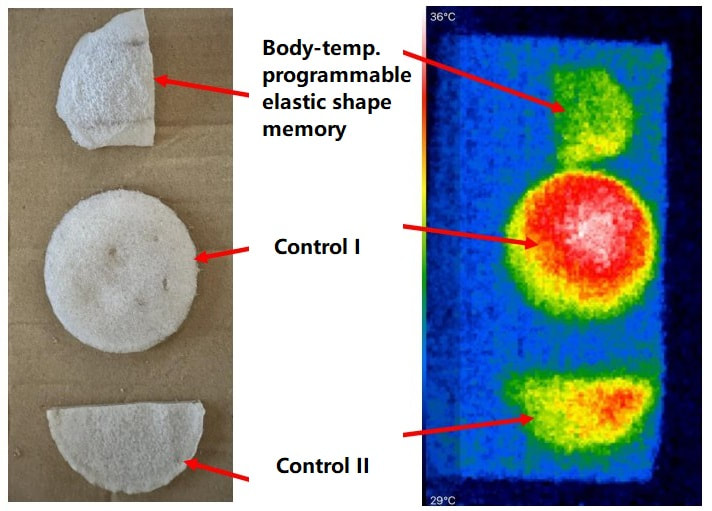
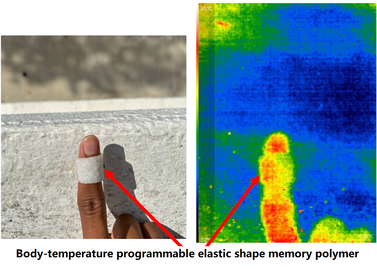
Thermoplastic, body-temperature programmable,
elastic shape memory polymer Circulated area (triangle): surface flattened
|
|
|
(FYP) Issac Phyoe
|
|
|
(FYP) M Akid D B M
|
|
|
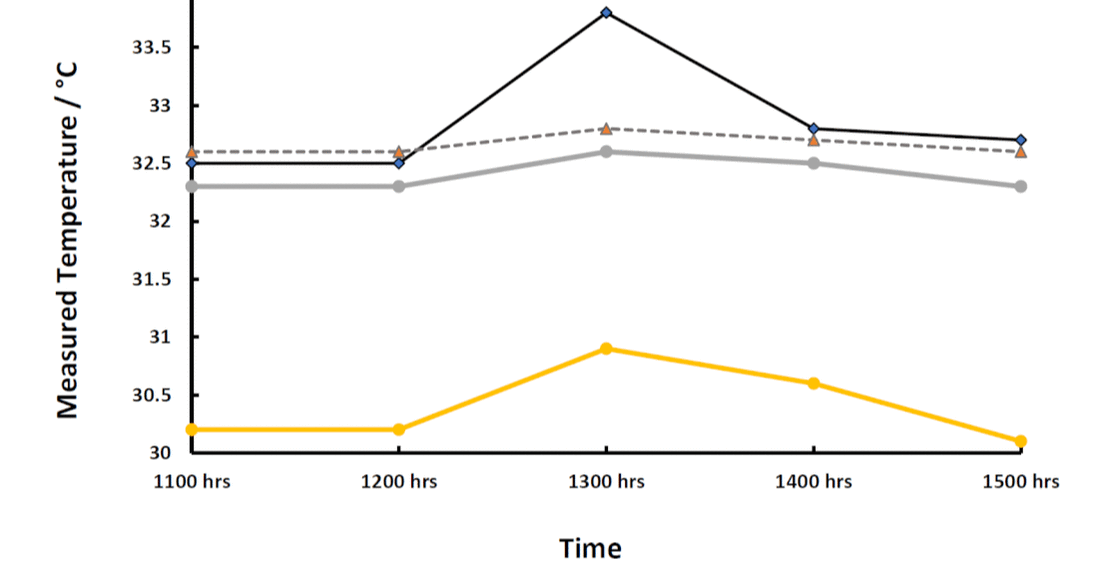
|
|
(FYP) T Chan
|
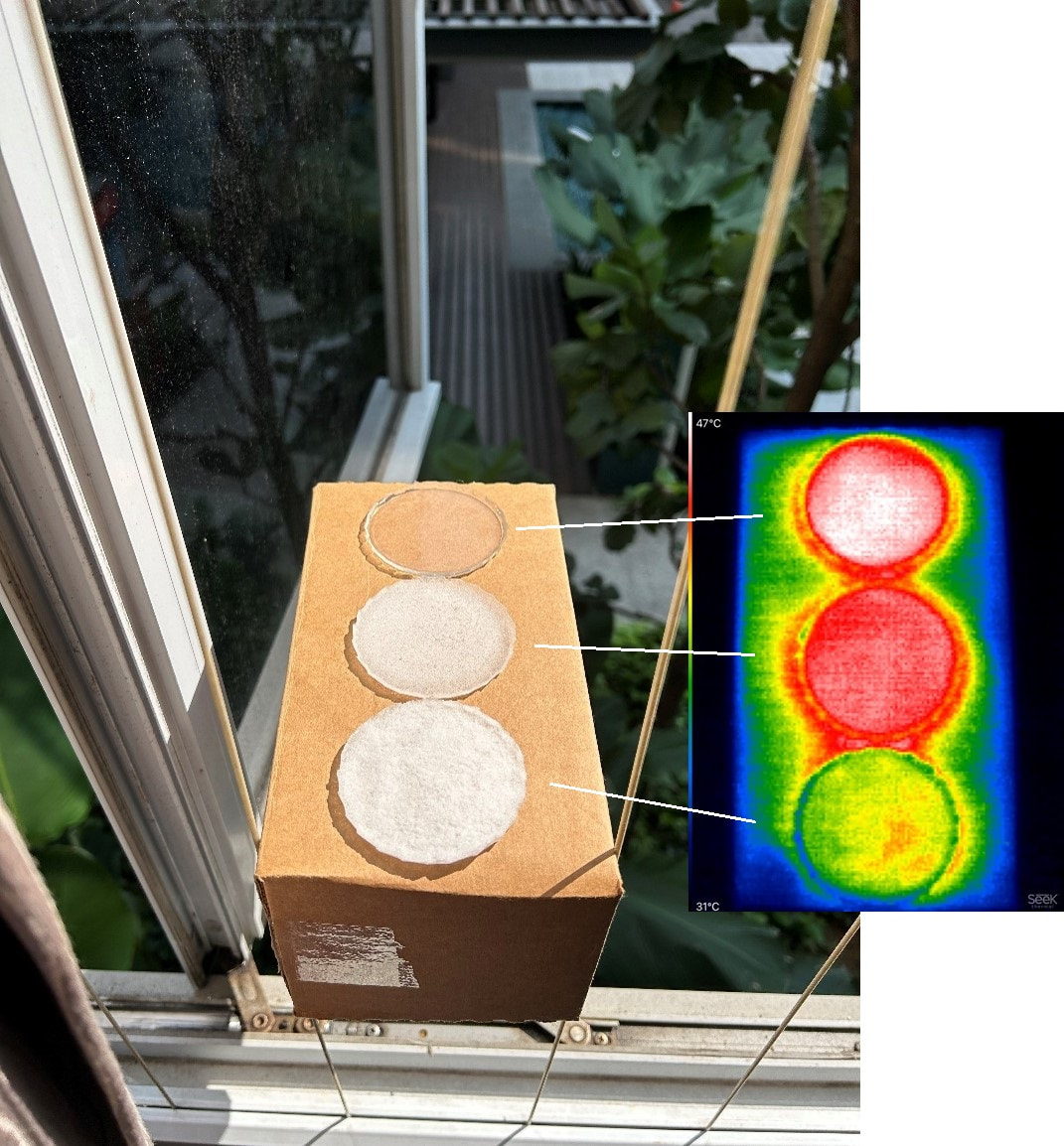
|
Passive Daytime Radiative Cooling: From Sole Function to Multifunctionality被动日间辐射冷却:从单一功能到多功能
此综述中探讨了 PDRC 材料、结构和系统从单一功能到多功能设计的演变,强调了它们实现高太阳反射率和高热发射率以实现最佳冷却性能的潜力。重点介绍了具有自清洁、防火、可切换和蒸发耦合特性的多功能 PDRC 材料或系统。本文还讨论了推进PDRC材料发展过程中面临的挑战和机遇,以促进这种可持续冷却技术的大规模生产和应用。
|
Passive daytime radiative cooling (PDRC), simultaneously reflecting sunlight and emitting infrared radiation heat to the cold outer, offers a promising alternative to traditional mechanical-based cooling in current electricity-intensive world. The continuously upgraded functional PDRC materials have further promoted the application of radiation cooling technology in real-world applications. This review explores the design evolution of PDRC materials, structures, and systems from sole-function to multifunctional designs, emphasizing their potential to achieve both high solar reflectance and strong thermal emittance for optimal cooling performance. Among them, multifunctional PDRC materials or systems with self-cleaning, fire-resistant, switchable, and evaporated-coupled characteristics are presented. Future challenges and opportunities for advancing PDRC materials are also discussed, aiming to guide the development of scalable solutions that can facilitate the large-scale production and application of this sustainable cooling technology.
|
|
Homemade Machine Turns Bioplastics Into Cooling Fabric
|
|
|
在阳光下保持凉爽—--高反射率陶瓷
|
Refs:
X. Zhao et al., Science 382, 684 (2023). K. Lin et al., Science 382, 691 (2023). |
|
冷却玻璃基陶瓷涂层制备工艺
用于制造的低熔点玻璃微粒(P2O5-Al2O3-Na2O-K2O-B2O3-SiO2),颗粒直径为2–15 µm(平均粒径为6.3 µm),密度为2.56 g/cm3,软化温度约为350°C,以及高纯度α-Al2O3颗粒(纯度99.99%),尺寸约为0.3–1.0 µm(平均约0.5 µm)。 使用乙醇(> 97%)制备用于涂层的浆料。尺寸为15 cm × 15 cm的方形陶瓷地板和墙壁瓷砖,以及尺寸为5 cm × 5 cm的透明浮法玻璃被用作基材。 低熔点玻璃颗粒和Al2O3颗粒以不同的质量比(例如1:1)混合,然后将混合颗粒分散在乙醇中,浓度为0.75 g/ml,以制备用于刷涂、喷涂或刮涂的均匀浆料。 在陶瓷砖上以约550 µm的厚度施加浆料后,将涂层在通风橱中空气干燥约3分钟,以完全蒸发乙醇。随后,将干燥的涂层在马弗炉中加热至600°C,历时不超过1分钟(升温速率约为40°C/分钟)。注意,浆料中不包含任何粘合剂,因此最大可实现的涂层厚度为约350 µm,超过此厚度容易出现裂纹。 在每个循环中,沉积厚度是可调节的,范围为50到350 µm,具体取决于浆料的浓度和使用量。对于50 wt.%的Al2O3,需两次涂层循环才能在500 µm厚度下达到>0.95的太阳反射率,而对于60 wt.%或70 wt.%的Al2O3,单次刷涂即可在约300 µm的厚度下实现相同的反射率。 |
冷却分层结构陶瓷制备工艺
氧化铝粉末和聚醚砜(PES)在烘箱中干燥过夜以去除水分。PES溶解在N-甲基-2-吡咯烷酮(NMP)中,并用磁力搅拌器搅拌,直到获得均匀透明的溶胶。然后将α-氧化铝粉末添加到溶胶中,并用机械搅拌器搅拌,直到颗粒均匀分散且无明显团聚。然后在缓慢搅拌下对悬浮液进行脱气。将制备好的悬浮液铸在平板基材上,然后浸入乙醇中24小时以完成相转变工艺。 通过使用刮涂机在铸造过程中制备了不同厚度的样品。在室温下将固化的陶瓷前体干燥24小时。在烧结之前将前体切割成所需的形状。烧结过程在加热炉中进行,温度从室温缓慢上升到超过1000°C,以5°C/分钟的速率升温,然后在高温下保持3小时,然后缓慢降温至室温。炉膛的空气供给速率被控制在200 mL/min,以确保烧结过程中PES完全燃烧。 烧结后,得到一种白色冷却陶瓷。冷却陶瓷的大规模生产可以更具成本效益,与商用瓷砖的成本相当。用于冷却陶瓷制造的所有材料都广泛可得。值得注意的是,基于相转变的陶瓷制备过程具有通用性,可能用于获得具有不同无机材料(如SiO2、BaTiO3和MgO)的多种多孔结构。 |
|
中国住宅建筑侧墙表面辐射制冷性能的现场测试与评估
|
为了研究辐射制冷材料应用于建筑侧墙外表面的节能效果,本研究在中国浙江省一栋典型的分体式多层住宅建筑中进行。实地测试共259天,覆盖四个季节。对照组和实验组分别采用两种类型的房间(中间套和边套)。通过测量对照房间和实验房间墙体的热流,得到了辐射制冷材料的有效制冷功率。结果显示,两组中间套的平均制冷功率分别为0.8 W/m²和1.0 W/m²,边套的平均制冷功率为1.0 W/m²。使用EnergyPlus软件开发了住宅建筑的模型。通过“其他设备”模块将测得的辐射制冷有效功率输入模型中,解决了因辐射制冷材料在不同角度下的光谱选择性导致的节能效果预测偏差问题。在与实测结果验证后,利用该模型评估了辐射制冷侧墙的节能性能。结果表明,在中国“夏热冬冷”地区,与传统侧墙相比,住宅建筑采用辐射制冷侧墙时,其制冷季节(5月至10月)的节能率达1.5%。
|
|
具有温度自适应辐射冷却功能的全天候节能相变泡沫
Jiang W, Zhu T, Chen J, et al. Phase change foam with temperature-adaptive radiative cooling feature for all-day building energy saving. Chemical Engineering Journal, 2024:157862
|
该材料采用具有高红外透明窗口(MIR, 8 ~ 13μm)发射率的聚二甲基硅氧烷(PDMS)作为柔性衬底,选择具有高太阳后向散射效率的氮化硼(BN)纳米片作为光学填料,用于构建太阳反射网络。 采用直径约200 ~ 300 μm的蔗糖微球作为牺牲模板,制备了多孔PDMS@BN泡沫作为RCM,以实现太阳光的漫反射。
|
|
一种用辐射制冷的可穿戴织物
|
Radiative cooling is an emerging zero-energy-consumption technology for human body cooling in outdoor scenarios during hot seasons. However, existing radiative cooling textiles are limited by low intrinsic cooling power, high hydrophobicity, and heat-insulating properties, which seriously impede a satisfying cooling effect, perspiration-wicking, and heat dissipation, thus limiting human thermal comfort in practical situations. Here, we developed a radiative cooling meta-fabric that was integrated with high perspiration-wicking and thermal conduction capacity. The meta-fabric included a polyoxymethylene (POM) nanotextile on the front side as a selective radiative emitter, a skin-friendly silicone on the reverse side as a thermal conductor, and patterned bamboo yarns (a cellulose fiber derived from bamboo with excellent hydrophilicity) as the water transport channels. As a result, the meta-fabric could rapidly wick away perspiration (within seconds) and had a high thermal conductivity of 1.5 W/(m·K), exhibiting high-performance human body cooling with a temperature of 10.9 °C lower than the meta-fabric without perspiration. Besides, even without perspiration, the meta-fabric still exhibited a temperature of 9.6 °C lower than commercial cotton fabrics. The work provides an alternative method to design smart textiles for personal thermal management in real applications.
|
被动辐射冷却,最新AM!
超材料织物—--防晒降温的革新奇迹